TL;DR
Protect your home address from day one
Use a compliant UK service address and keep your personal life private while running your company.
- Your home address is not normally public
- But it can become public if used incorrectly
If you use your home address as:
- registered office
- director service address
👉 it will appear on Companies House.
Why this question matters more than people think
For some founders, this is just a detail.
For others, it’s a real blocker.
I’ve spoken to founders who delayed starting their company for months — not because of tax, not because of cost — but because of address visibility.
When your home address becomes public
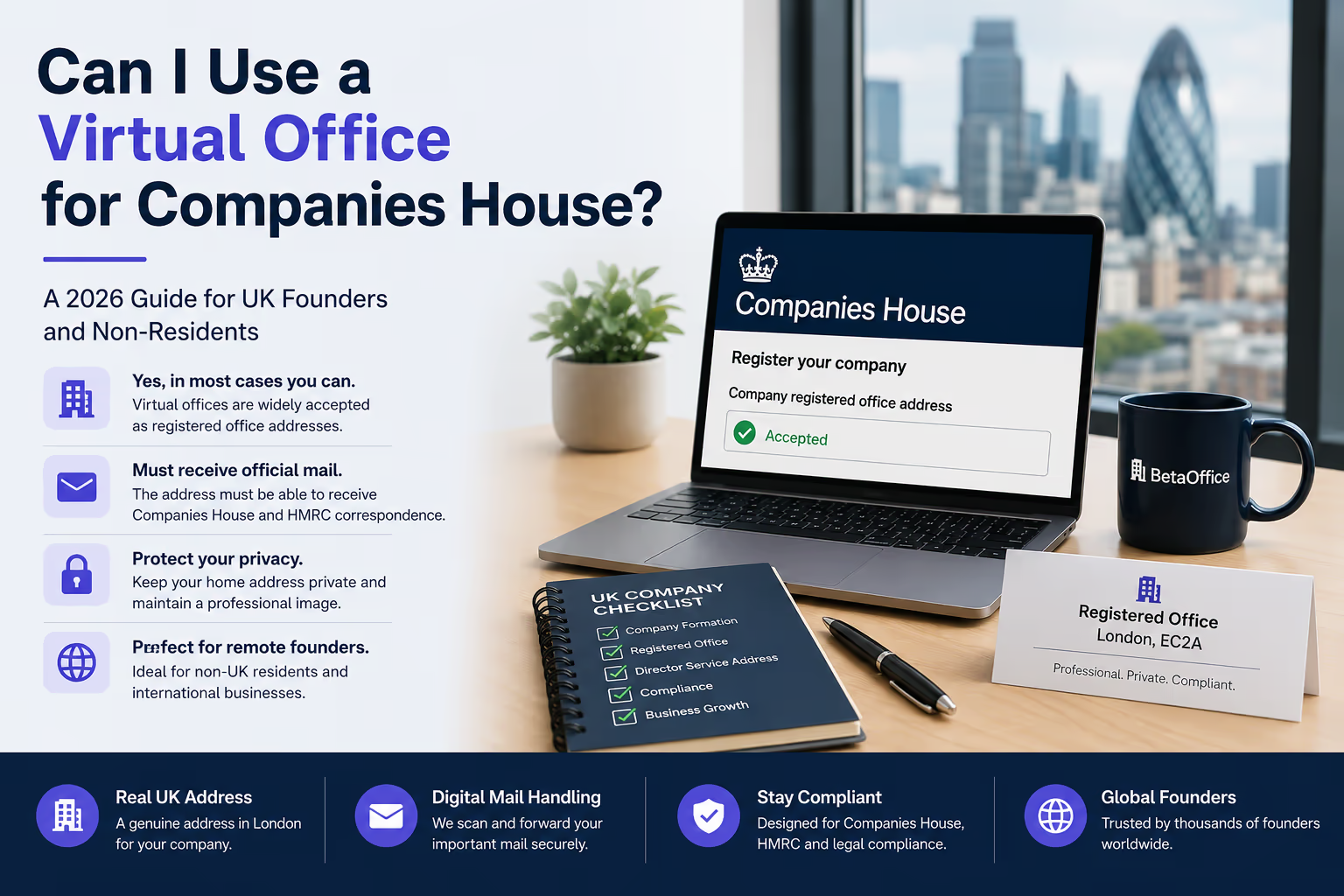
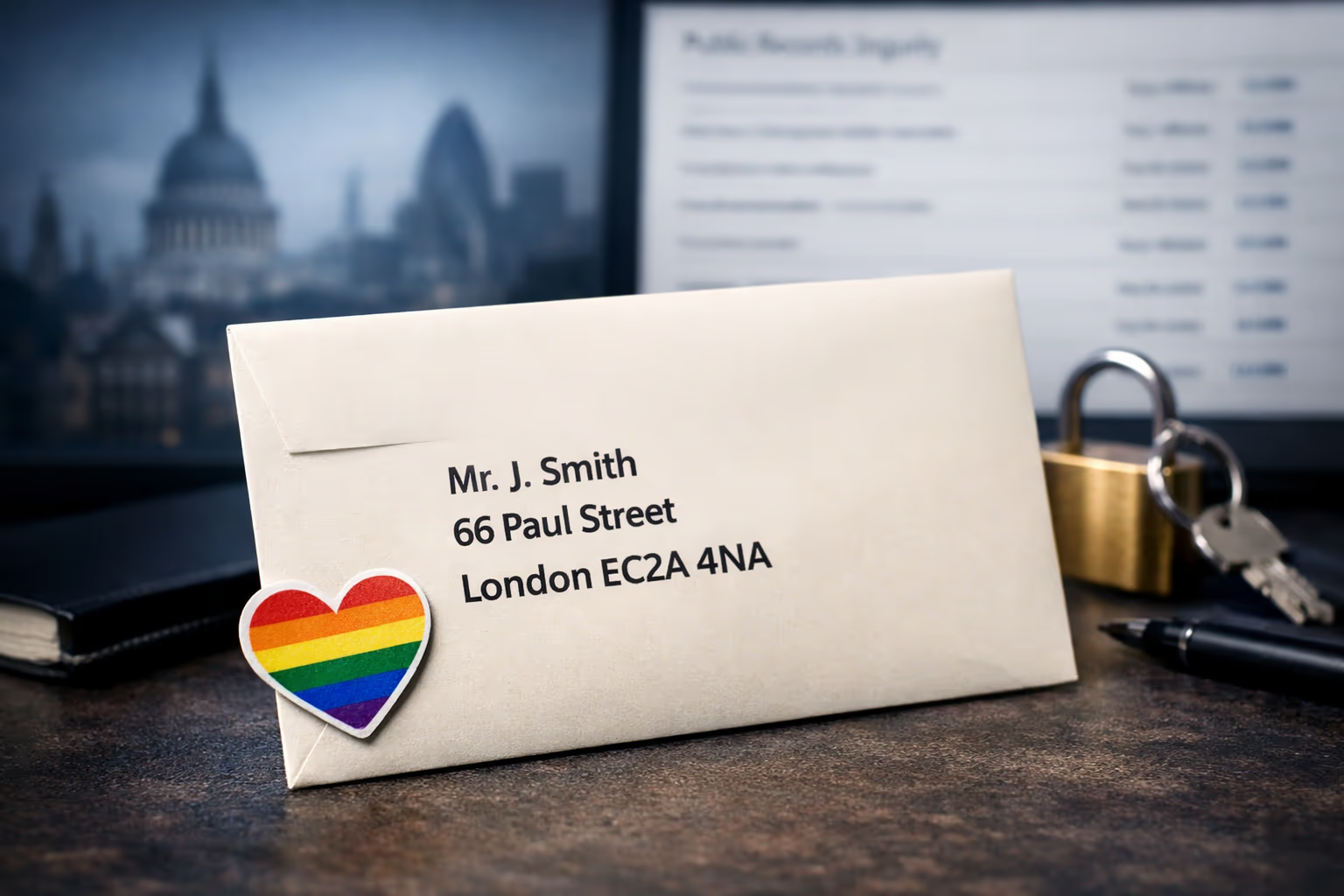
Your residential address is submitted to Companies House.
👉 But it is normally kept private
It becomes public only if you use it as:
- registered office address
- director service address
👉 What is a registered office address?
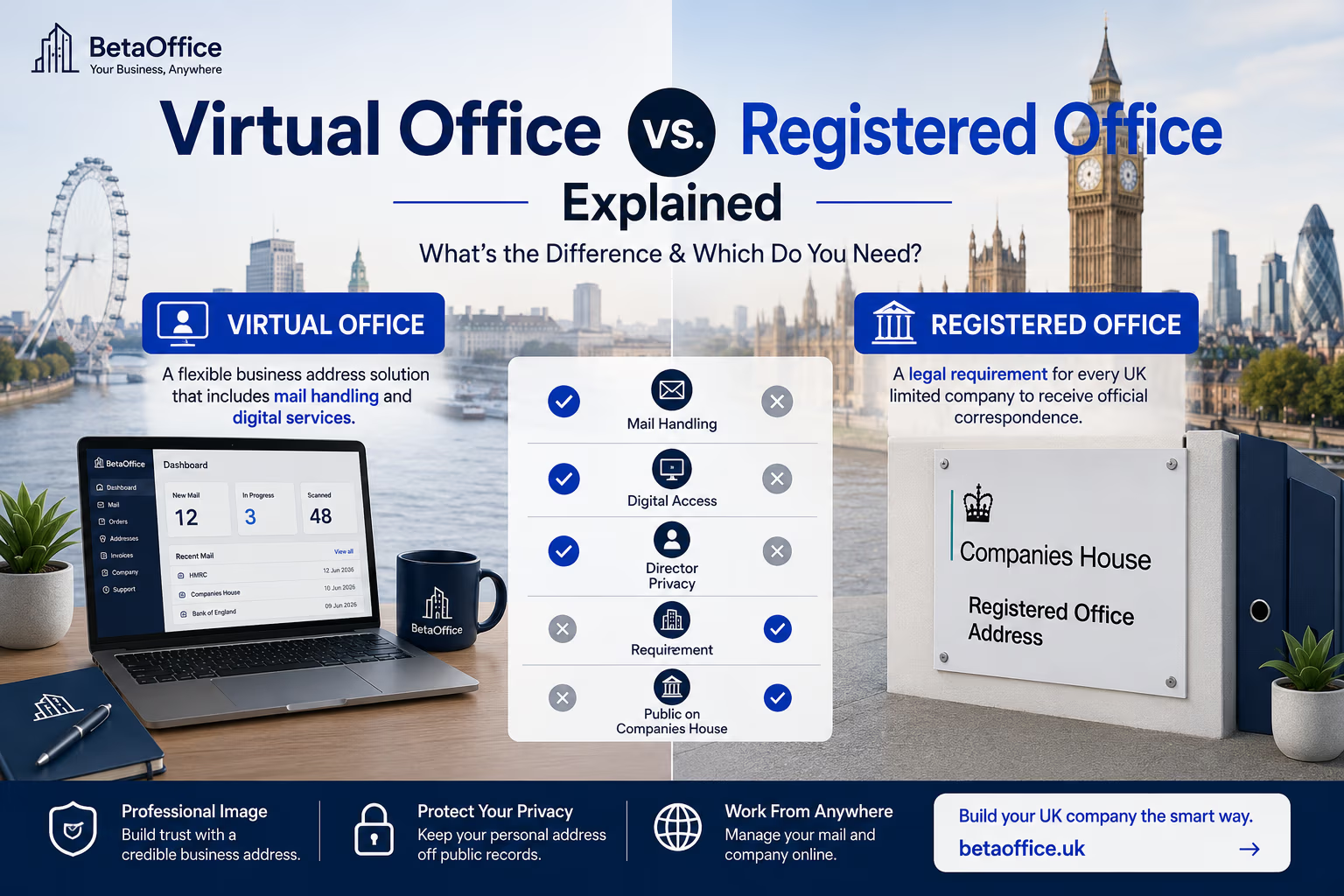
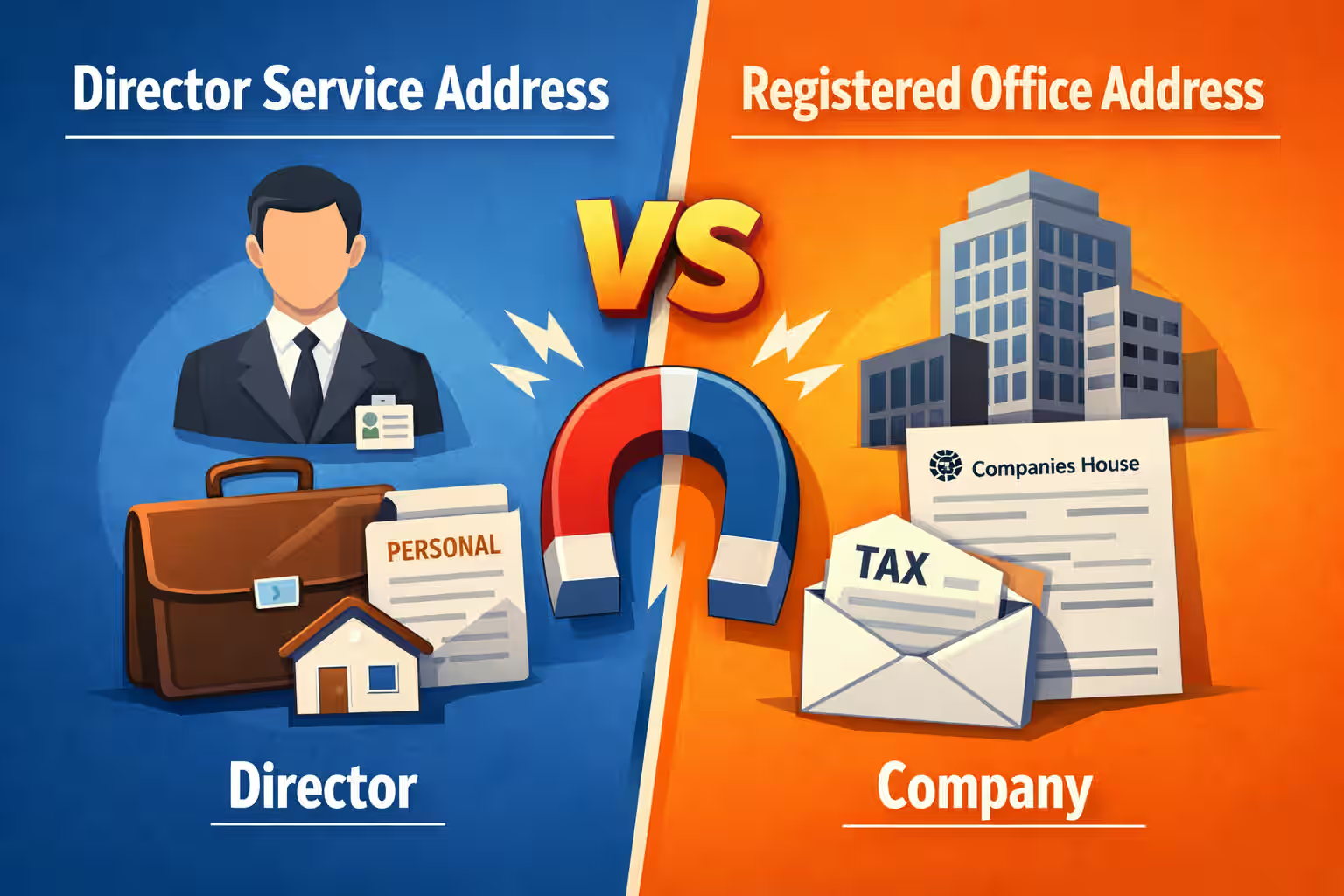
👉 Service address vs registered office
Why founders worry about this
This isn’t just a technical detail.
It affects real people.
Real situations founders face
- someone avoiding unwanted contact
- living with family who don’t know about the business
- shared accommodation or temporary housing
- online creators concerned about visibility
For some, this is comfort.
For others, it’s safety.
What happens once your address is public
Once your address appears:
- it can be indexed by Google
- copied to other websites
- stored in data platforms
Even if you update it later:
👉 old versions can still exist online
This is the part many founders don’t realise early enough.
Why this happens
Companies House is built for:
👉 transparency
Not for:
👉 personal privacy
So the system assumes:
- visibility is neutral
- everyone has the same risk
But in reality:
👉 they don’t
The solution (and it’s completely legal)
UK law already provides a solution:
👉 Director service address
This allows you to:
- keep your home address private
- remain fully compliant
- appear professional
👉 Director service address London
A proper setup (recommended)
Most founders use:
- Registered office → company
- Service address → director
- Residential → private
Privacy is not secrecy
This is important.
Using a service address is:
✔ legal
✔ standard practice
✔ widely used
It’s not about hiding.
It’s about:
👉 boundaries
Why I built BetaOffice
I kept hearing the same thing:
“I’m ready to start my company… but I don’t want my home address online.”
Not fraud.
Not avoidance.
Just:
👉 normal people wanting normal privacy
That’s why BetaOffice exists.
FAQ
Is my home address public?
No — unless you use it as a public address.
How do I keep it private?
Use a service address instead of your home address.
Is this legal?
Yes — completely standard in the UK.
Final takeaway
Your home address is not automatically public.
But it becomes public if used incorrectly.
And once it is:
👉 it’s hard to undo
The safest approach is simple:
✔ use a proper service address
✔ separate personal and business details
✔ set it up correctly from the start
🔒 Protect your address before it becomes public
If you want:
✔ privacy
✔ compliance
✔ peace of mind
Lyatif Ahmed Redzheb — building BetaOffice, helping founders run UK companies without unnecessary exposure.