Updated for 2026 — based on real founder experiences.
⚠️ Running a UK company from abroad?
Most issues don’t come from setup — they come from what happens after.
Why most founders underestimate the address
Set up your UK company with a reliable London address
BetaOffice helps founders set up a compliant registered office, director service address, and AI-powered mail handling in one place.
When you first open a UK company, the address feels like a checkbox.
You enter it during registration, and that’s it.
Done.
But once the company starts operating, the address quietly becomes part of your day-to-day reality.
You start noticing things like:
- Letters from HMRC you don’t fully understand
- Banks asking unexpected questions
- Not being sure which address is used where
- The risk of missing something important
None of these seem critical at first.
Until something almost slips through.
Where things start going wrong
The biggest issue is confusion.
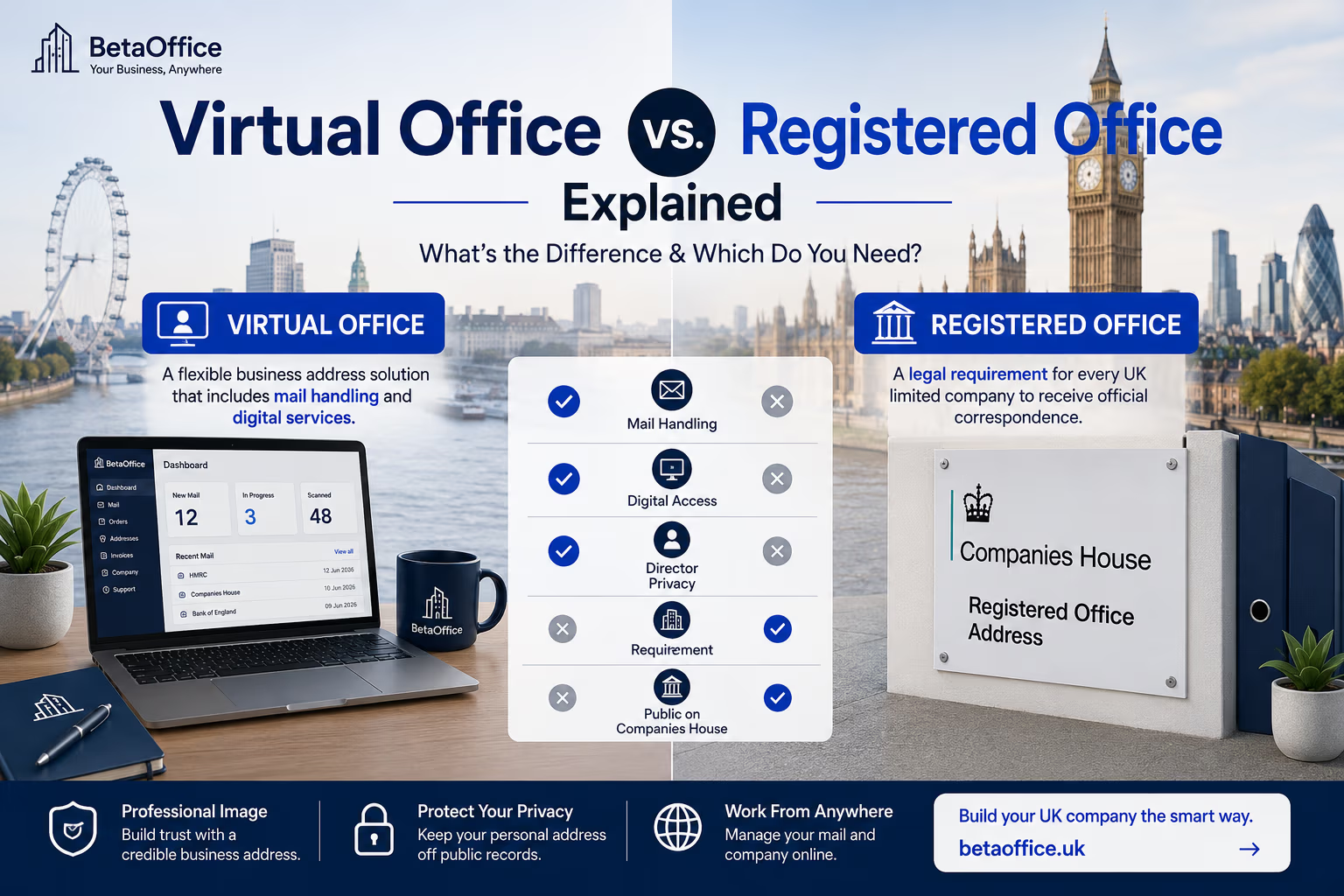
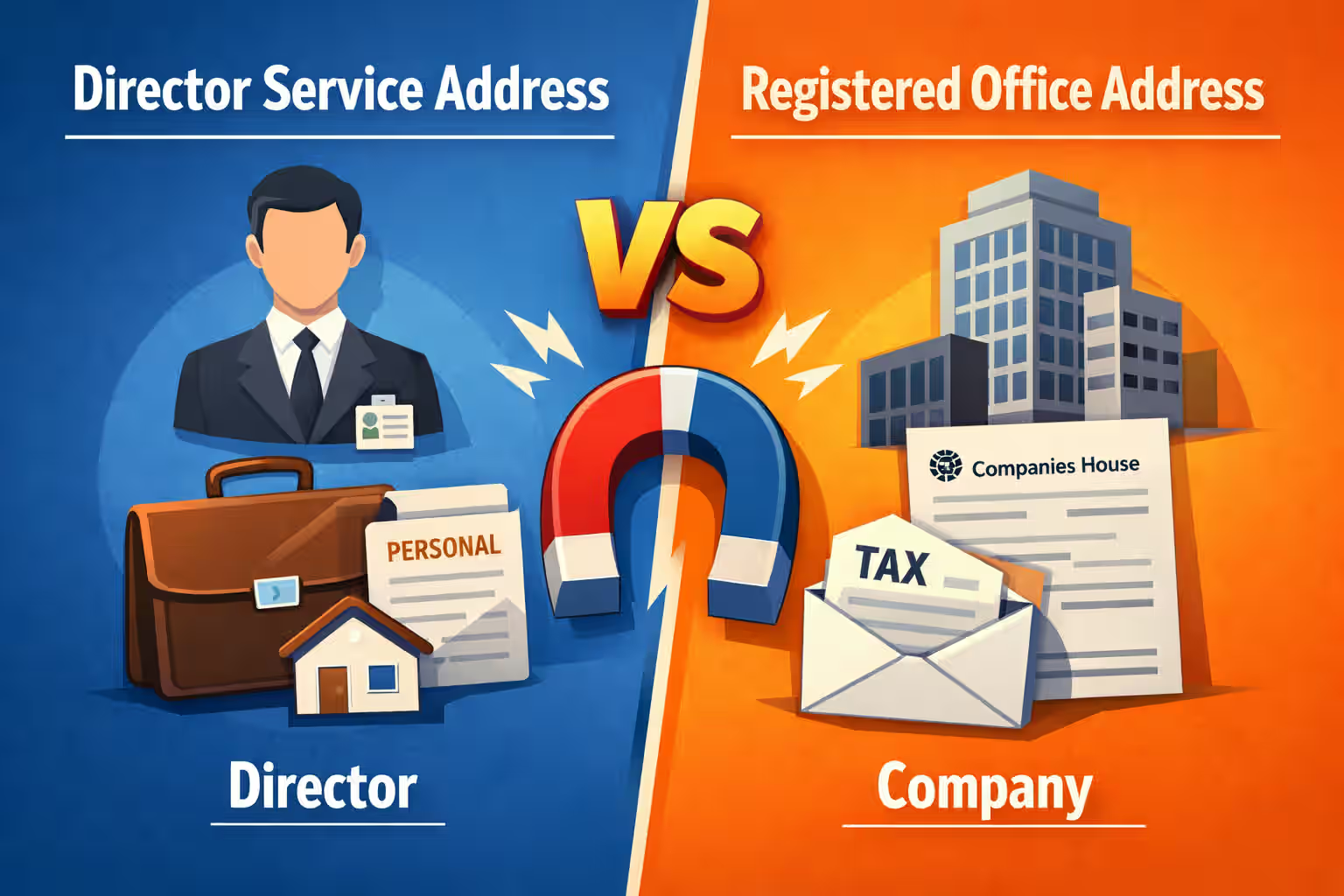
Most founders don’t fully understand the difference between address types:
- Registered office
- Director service address
- Trading address
Each has a different role.
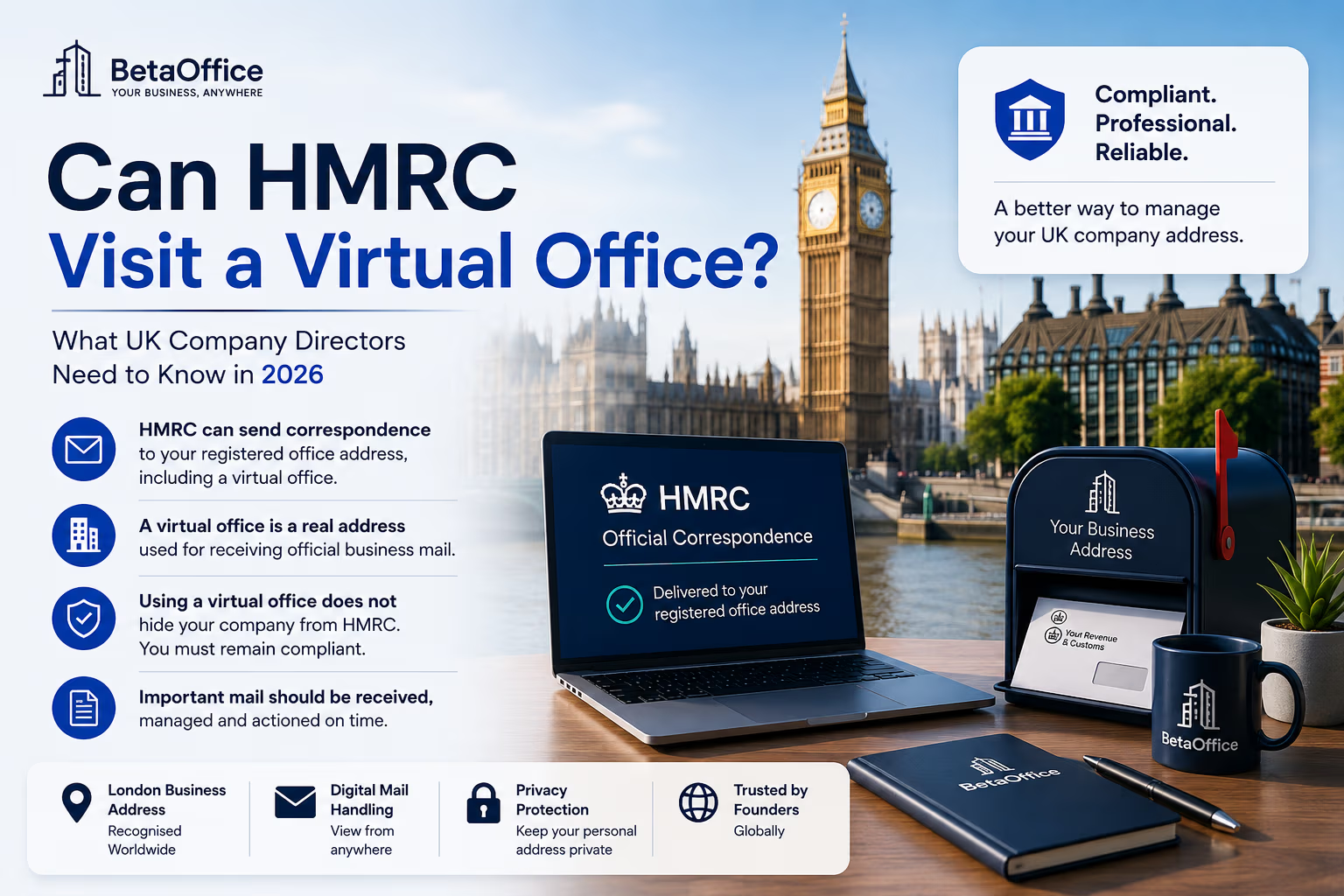
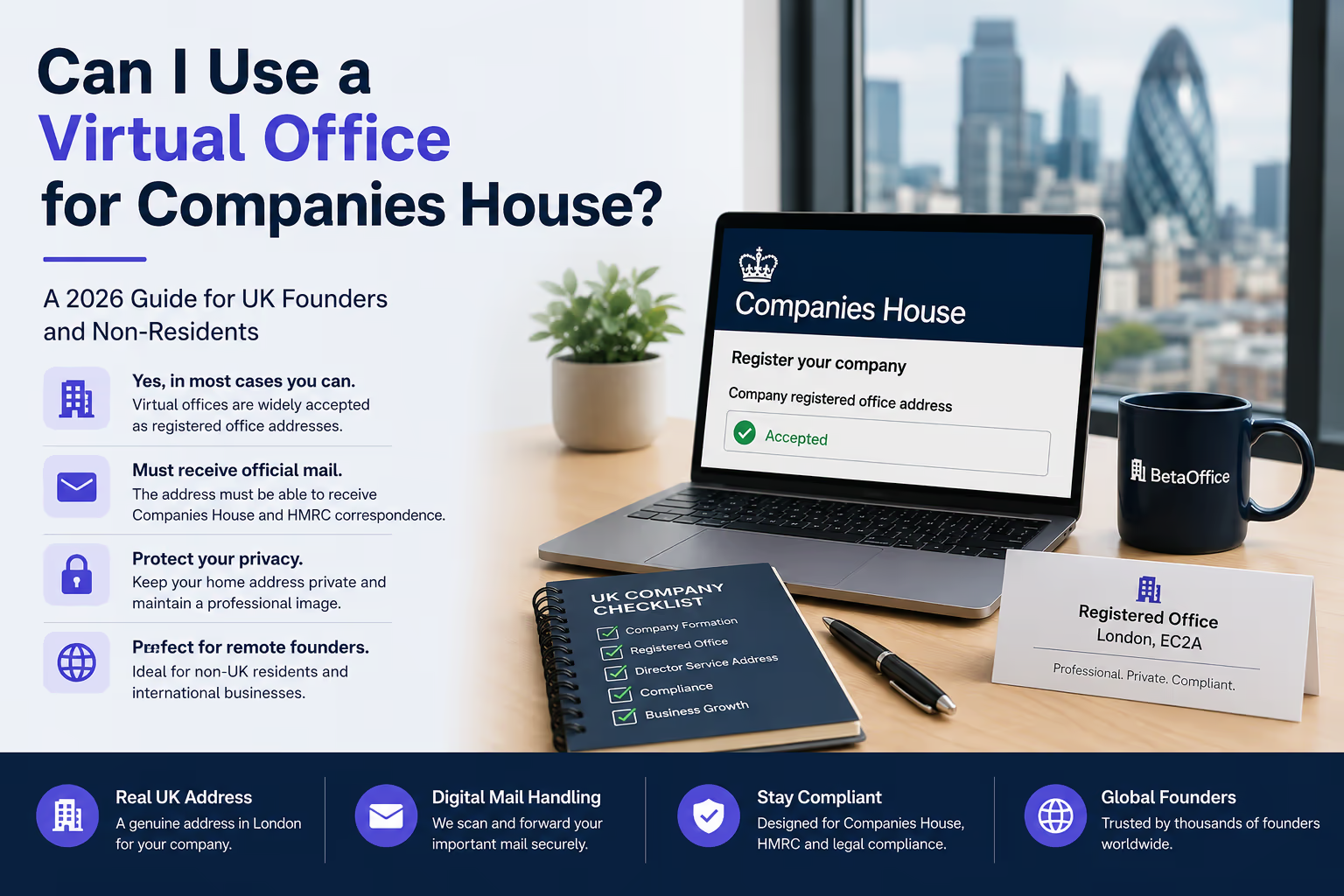
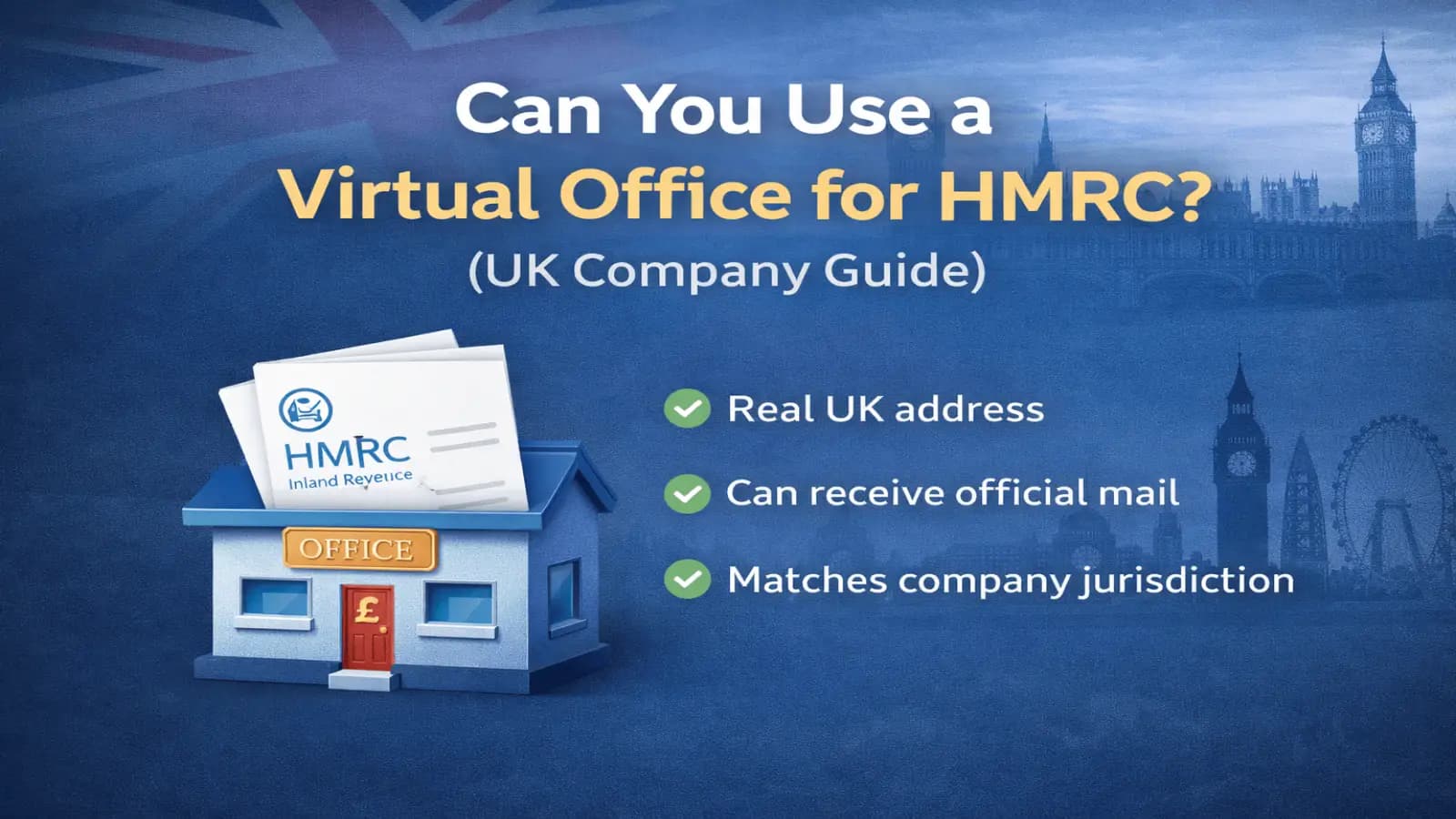
Your registered office address is where official communication is sent — including HMRC and Companies House.
If this part isn’t set up properly, things don’t break immediately.
They just slowly become harder to manage.
If you’re unsure how this works, it’s worth understanding what a proper
👉 registered office address in London
actually does.
If you want a clearer breakdown of how virtual office setups actually work in practice:
👉 What a UK virtual office actually does
Privacy becomes a real issue later
At the beginning, most founders don’t think about privacy.
But over time, it becomes more relevant.
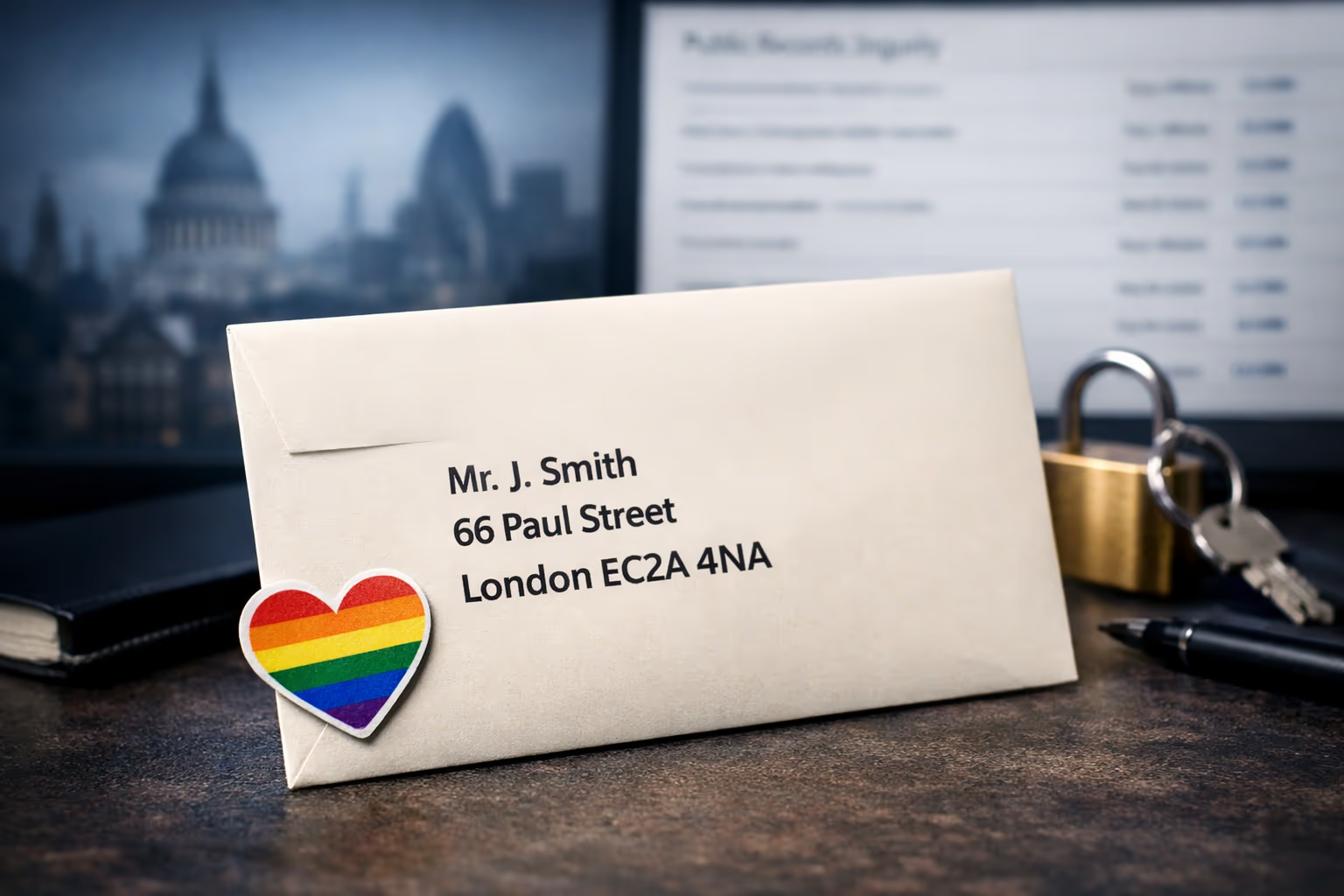
Your address can become publicly visible depending on how your company is structured.
This is why many founders eventually switch to a
👉 director service address in London
It allows you to separate your personal life from your company records.
It matters more if you're outside the UK
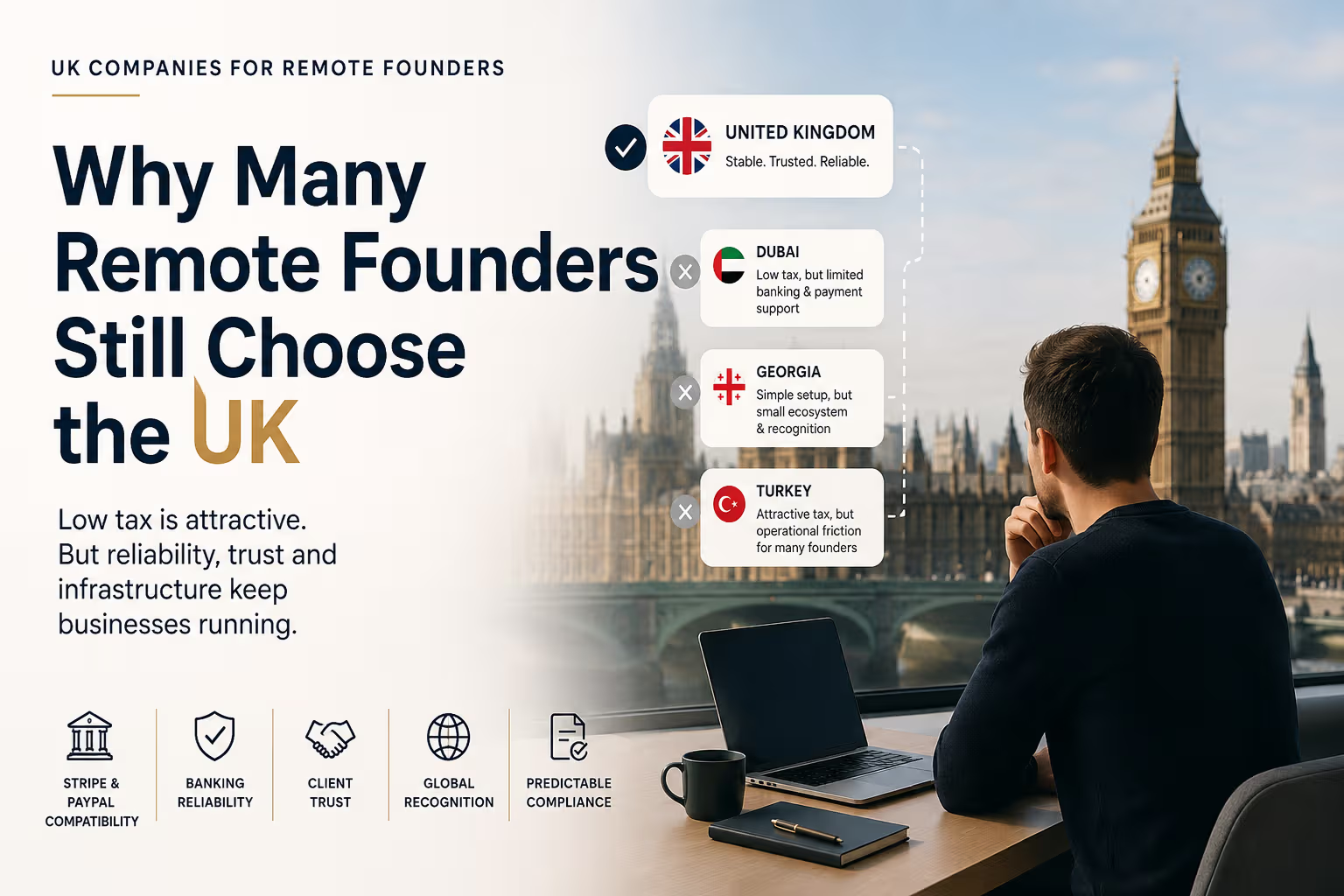
If you’re not based in the UK, the address becomes even more important.
You’re not physically there to receive anything.
So everything depends on how your setup works behind the scenes.
This is where many non-UK founders run into issues:
- delayed responses
- missed letters
- confusion around compliance
Not because they did something wrong — but because the system wasn’t built for remote operation.
This is why many founders end up using a
👉 virtual office for non-residents
It turns a passive address into an active system.
The small things that cause bigger problems
Most issues don’t come from one big mistake.
They come from small things over time:
- a missed letter
- a delayed reply
- uncertainty about what’s official
- not knowing where something was sent
Individually, these feel minor.
Together, they create friction.
What founders usually realise later
After a while, many founders adjust their setup.
Not because they planned to — but because they realise:
The address isn’t just administrative.
It’s operational.
It affects how the business actually functions.
If you're dealing with banking alongside this, this guide explains what happens in practice:
👉 Can you open a UK business bank account with a virtual office?
Final takeaway
Most people don’t think about their UK business address until something almost goes wrong.
But by then, they’re reacting instead of building properly from the start.
If you’re early in the process, understanding this now can save you a lot of confusion later.
And if you’re already running a company, you’ve probably felt at least one of these moments.
🚀 Build your setup the right way from the start
If you're running a UK company — especially from abroad — your address setup needs to do more than just exist.
✔ Registered office compliance
✔ Director privacy protection
✔ Real-time mail access
👉 You can explore a complete setup here:
London virtual office address
Related reads
– What a UK virtual office actually does
– Can you open a UK business bank account with a virtual office?
– Why virtual offices in the UK confuse founders