Most agencies don’t fail because of marketing — they fail because of positioning and structure.
TL;DR
Turn your agency into a real company
Use a UK company structure, build credibility with clients, and operate your agency globally with a professional setup.
You can start a marketing agency in the UK with almost no upfront cost.
But to grow beyond freelancing, you’ll need:
- a clear niche
- consistent client acquisition
- a professional business setup
Why marketing agencies are popular
Marketing agencies are one of the easiest businesses to start.
Many founders begin as:
- freelance marketers
- SEO specialists
- PPC consultants
- social media managers
- content strategists
Because the work is remote, startup costs are minimal.
In many cases, all you need is:
- a laptop
- internet
- the ability to get clients
Step 1: Define your niche
The fastest-growing agencies specialise.
Common niches:
- SEO agencies
- paid ads / PPC
- social media marketing
- email marketing
- ecommerce marketing
- SaaS growth
👉 Specialisation = faster client acquisition.
Step 2: Choose a business structure
Sole trader
Most agencies start here:
- simple setup
- minimal admin
- flexible
But you and the business are legally the same.
Limited company
Serious agencies usually switch to a UK Ltd company.
Why:
- stronger credibility with clients
- easier to work with larger companies
- separation between personal and business finances
👉 How to open a UK company as a non-resident
Step 3: Register the business
- Sole trader → HMRC
- Ltd company → Companies House
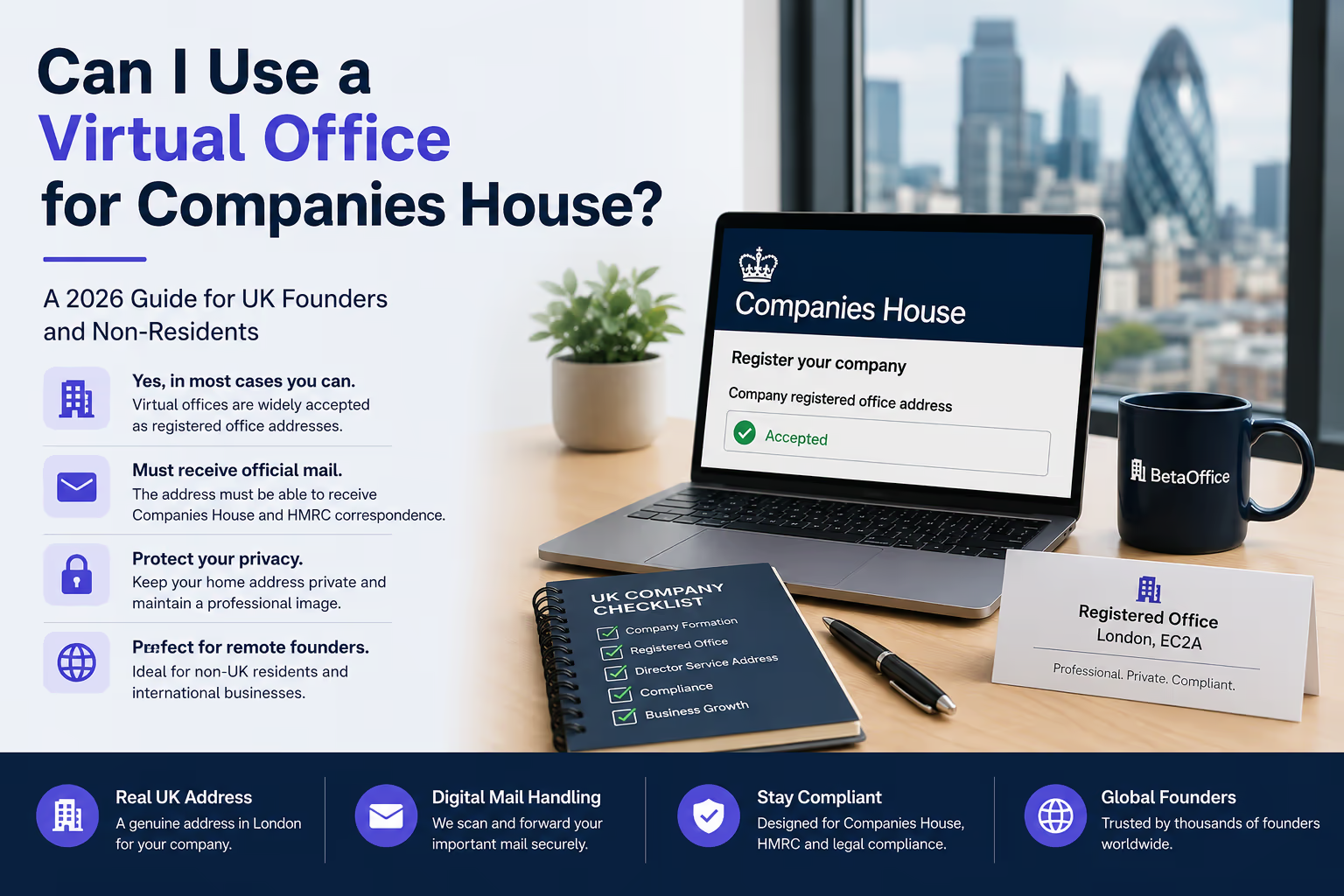
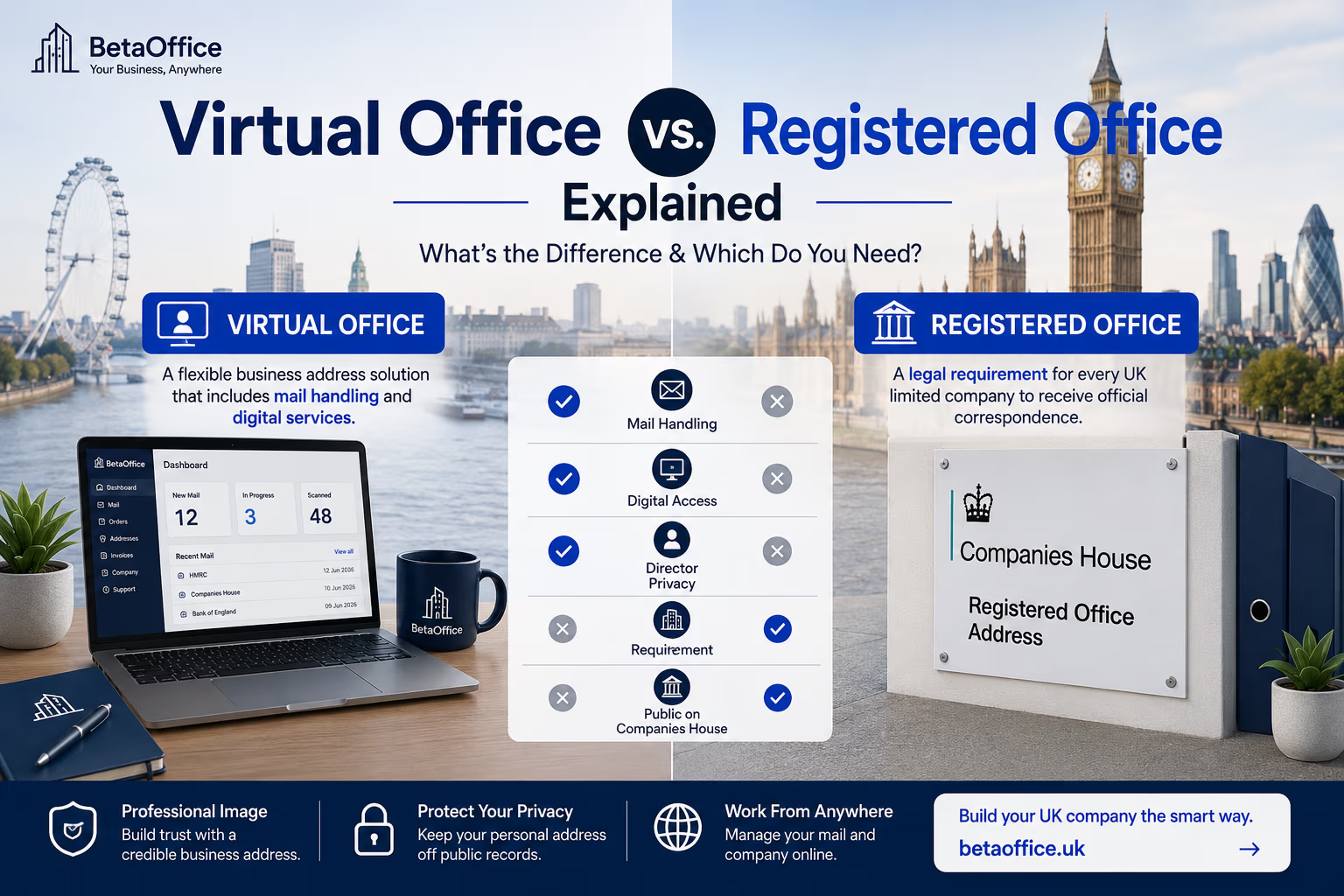
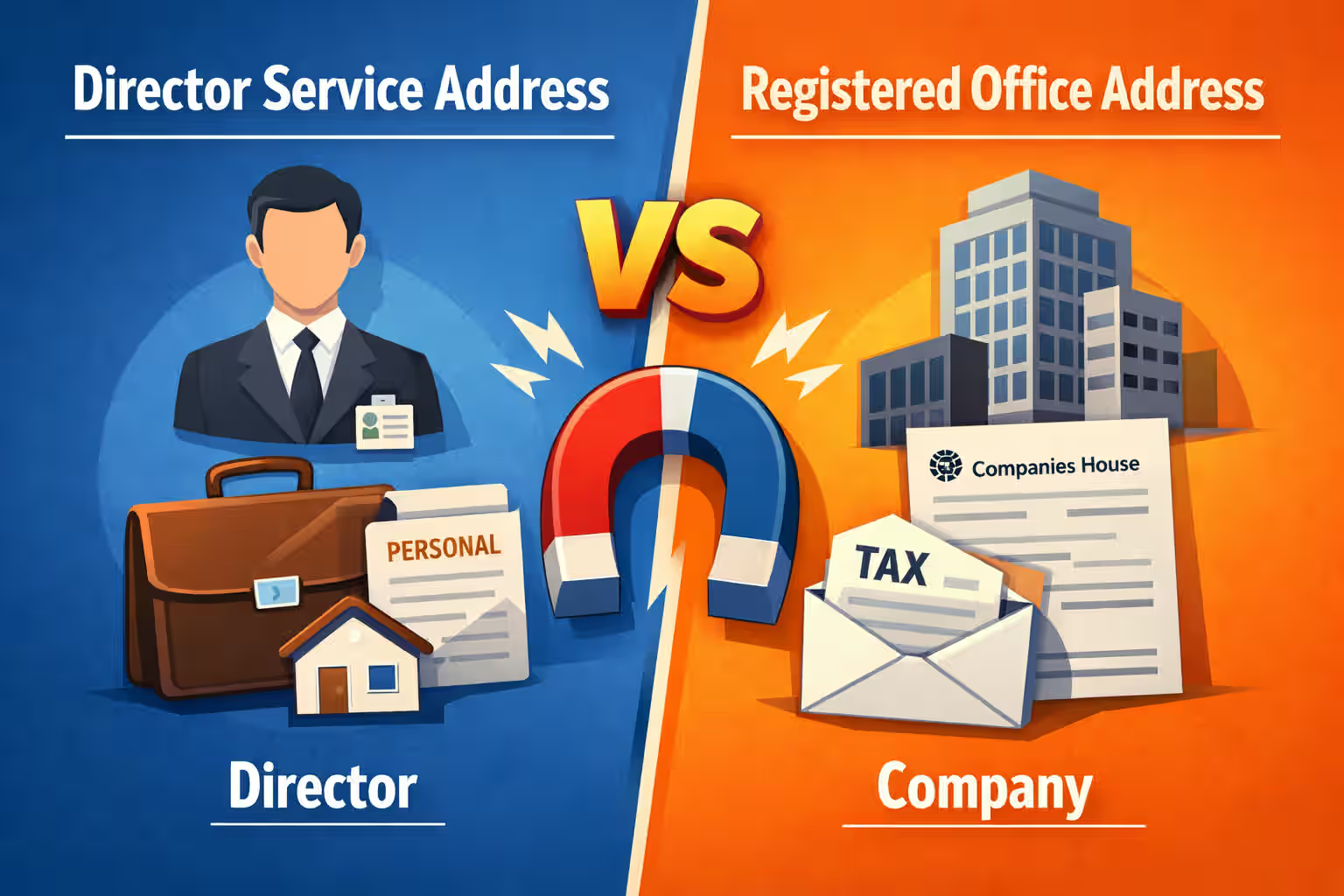
Every company needs a registered office address.
👉 Registered office address London
Step 4: Set up a professional business address
Most agencies are remote.
But using your home address:
- looks less professional
- exposes your personal details
- mixes personal and business mail
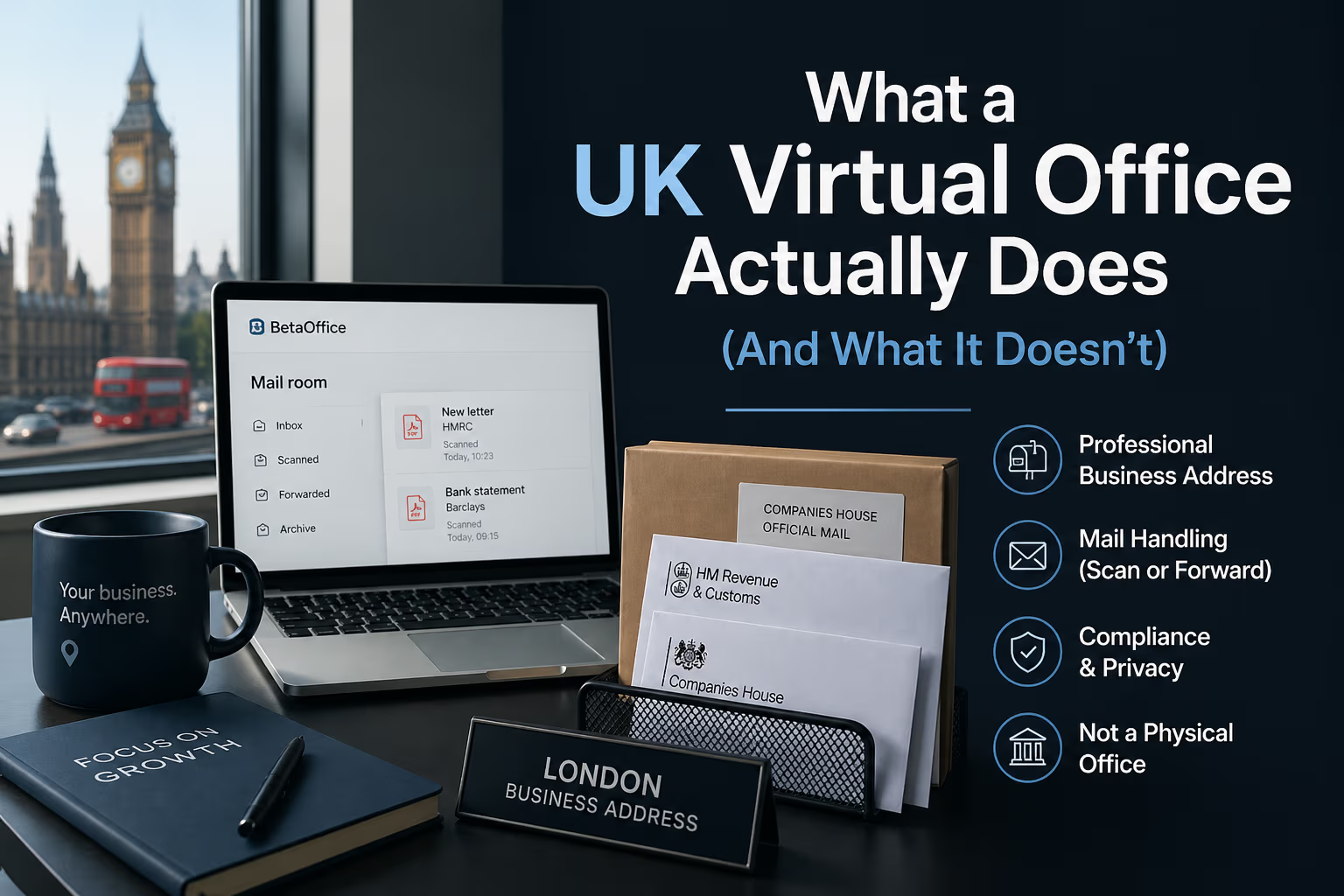
That’s why many agencies use a
👉 virtual office in London
Typical setup:
- registered office
- director service address
- digital mail handling
Step 5: Define services and pricing
Most agencies package services.
Common pricing models:
- monthly retainers
- project-based
- performance-based
- consulting
Typical services:
- SEO
- paid ads
- content strategy
- CRO
- social media
Step 6: Get your first clients
Early clients usually come from:
- personal network
- referrals
- freelance platforms
- partnerships
👉 Distribution matters more than your website.
Step 7: Build credibility
Clients care about:
- case studies
- testimonials
- results
- niche expertise
Even 2–3 strong case studies can unlock higher-paying clients.
Step 8: Protect your personal address
If you run a Ltd company, your details appear publicly.
But your home address doesn’t have to.
Use a service address to:
- stay private
- stay compliant
- look more professional
👉 Director service address London
Common mistakes
Trying to offer everything
Leads to weak positioning.
Underpricing
Especially early on.
No contracts
Always define:
- deliverables
- timelines
- payments
A simple checklist
- niche defined
- business registered
- services packaged
- portfolio created
- first clients acquired
- payment system ready
Final takeaway
Starting a marketing agency is easy.
Scaling it is not.
The difference comes from:
- positioning
- credibility
- structure
Many successful agencies move from “freelancer” to “company” once they build the right foundation.
🚀 Build a real agency foundation
If you want to work with better clients and scale:
✔ Use a proper company structure
✔ Keep your personal address private
✔ Present your agency professionally
Disclaimer: This article is for general information only and does not constitute legal or financial advice.