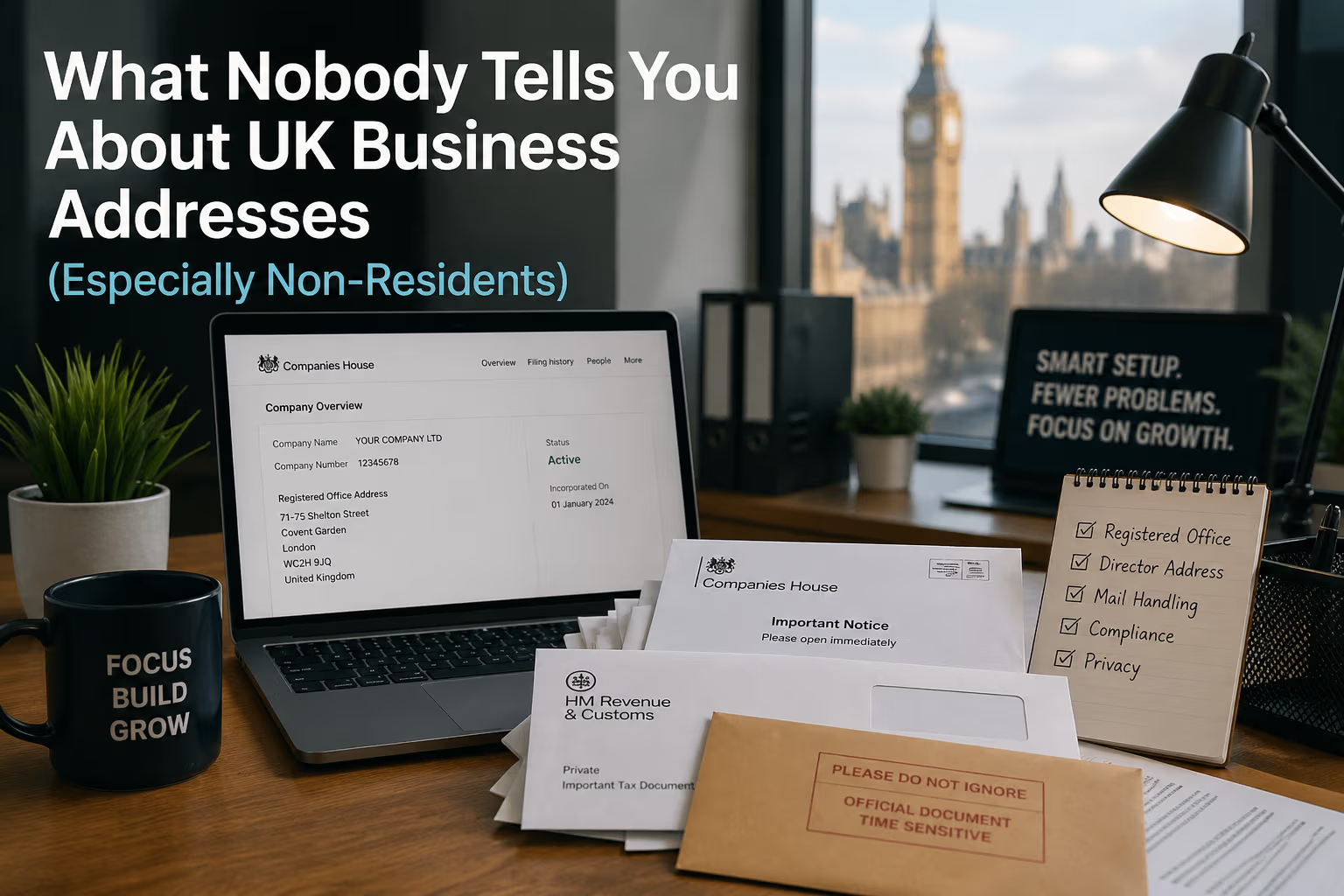
Many ecommerce founders don’t start with a business address — but most end up needing one.
TL;DR
Run your ecommerce business with a UK setup
Get a compliant UK address, pass verification checks, and manage your business globally.
You don’t always need a UK business address to start.
But you’ll likely need one when:
- verifying Stripe / PayPal
- scaling your store
- registering a company
- working internationally
Why this question keeps coming up
At the beginning, ecommerce is simple:
- laptop
- Shopify store
- payment provider
But as you grow, platforms start asking:
👉 “What is your business address?”
This is where things get confusing.
Why the UK is popular for ecommerce founders
Many founders choose the UK because:
- globally recognised company structure
- strong fintech ecosystem (Stripe, Wise, etc.)
- easy company formation
- compatibility with marketplaces
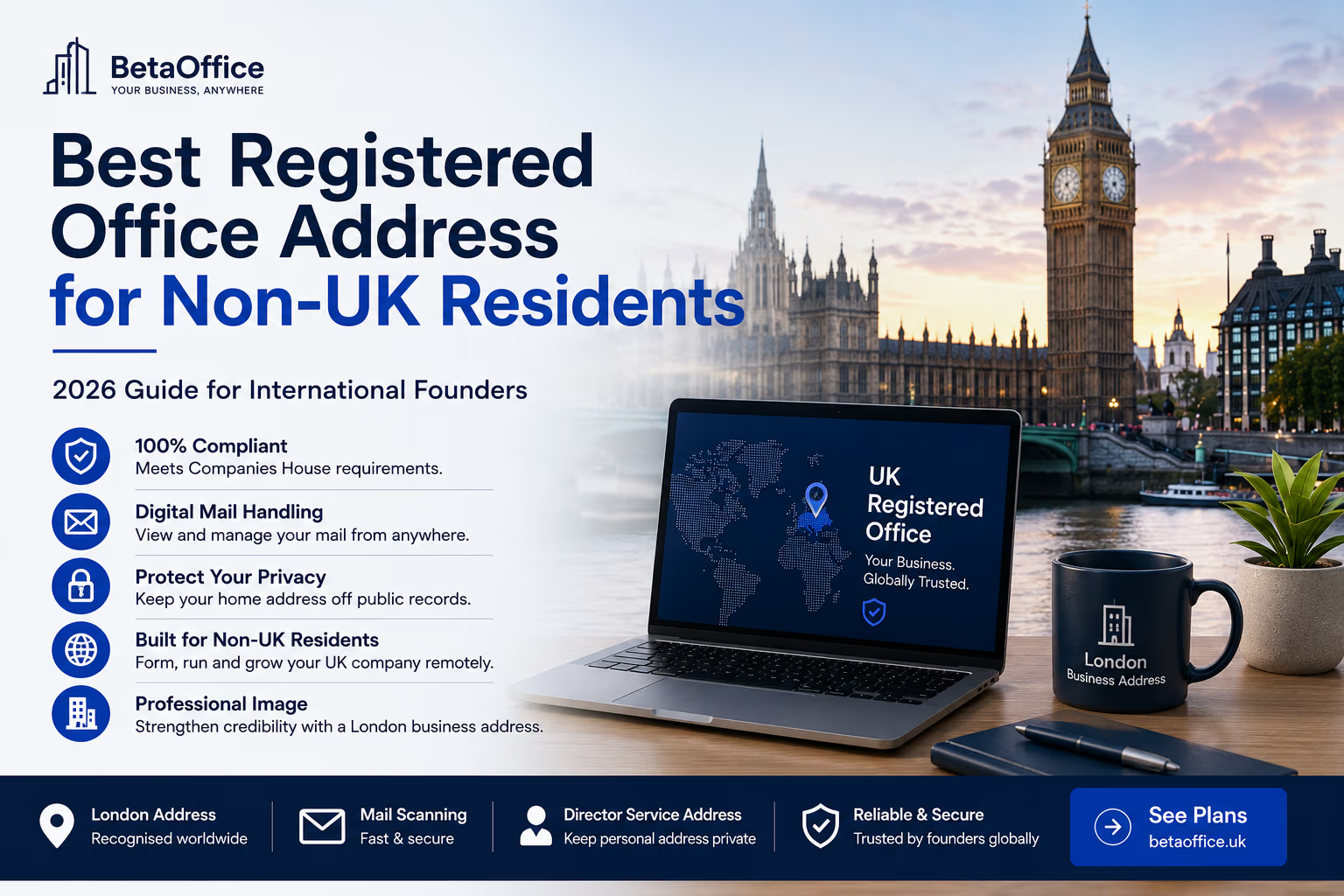
👉 How to open a UK company as a non-resident
When you actually need a business address
You don’t need it on day one.
But you will likely need it when:
- setting up Stripe or PayPal
- registering a company
- scaling internationally
- working with suppliers
Shopify stores
Most Shopify founders eventually move to a company setup.
A business address is used for:
- company registration
- payment verification
- store credibility
Etsy sellers
As Etsy shops grow, founders often need:
- separation from personal address
- compliance setup
- professional branding
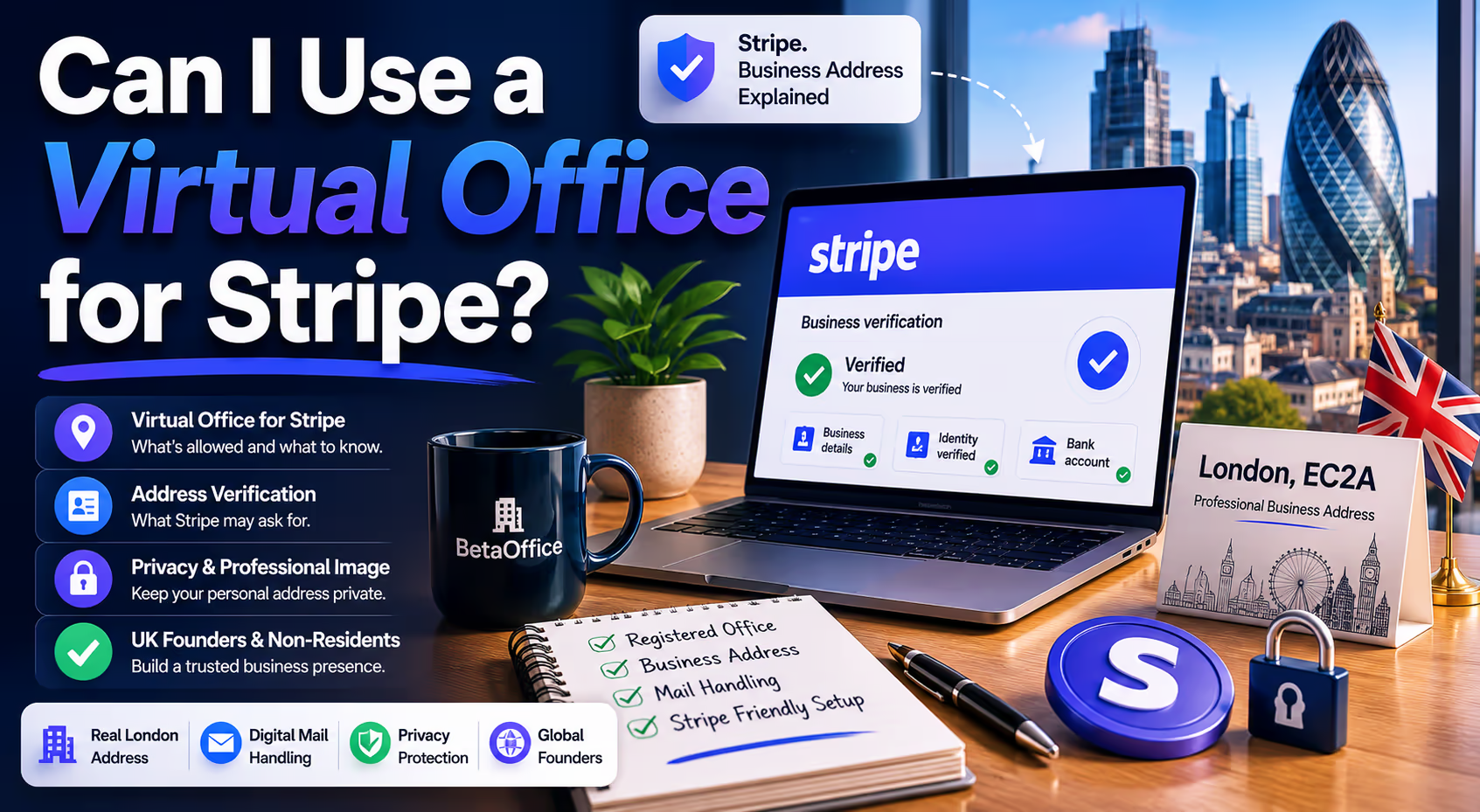
PayPal & Stripe verification
Payment providers care about:
- consistency
- legitimacy
- compliance
This usually includes:
- company details
- address verification
- identity checks
👉 UK address for Stripe
👉 UK address for PayPal
Amazon sellers
Amazon sellers often operate through companies.
Reasons:
- supplier trust
- payment infrastructure
- compliance
👉 Amazon sellers UK company guide
👉 UK address for Amazon sellers
The 3-part address setup (important)
Most founders don’t realise this:
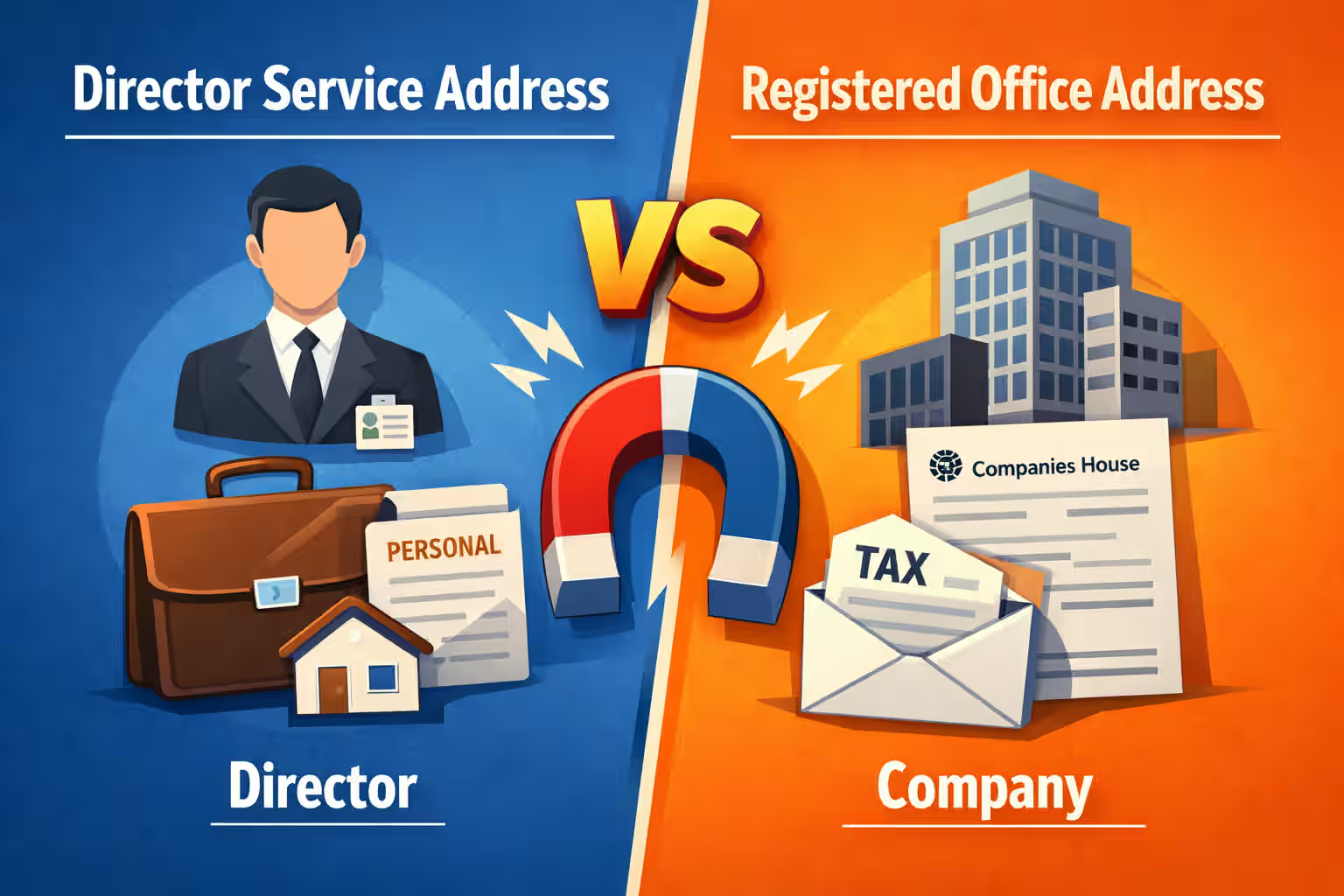
👉 A “business address” is actually 3 things
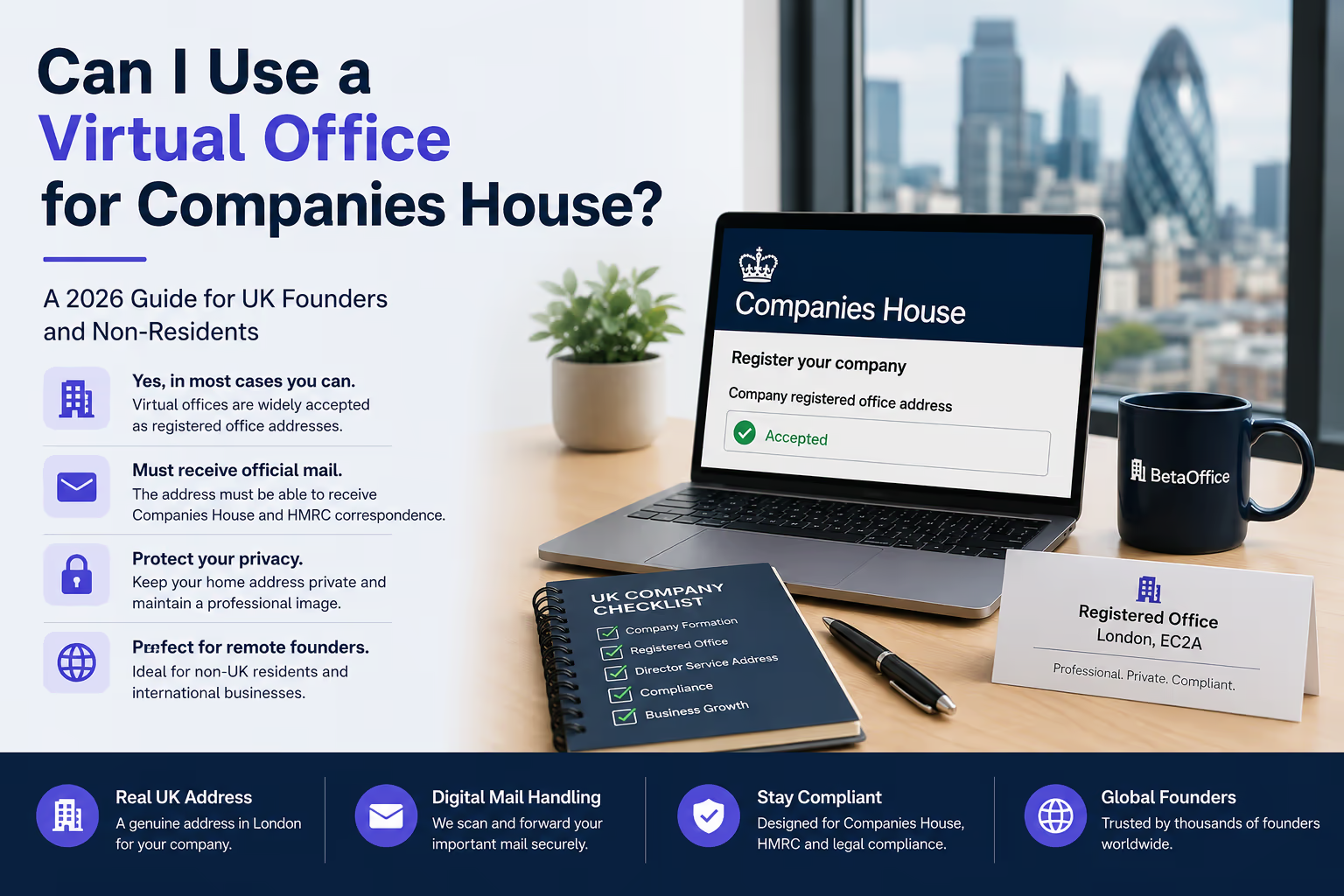
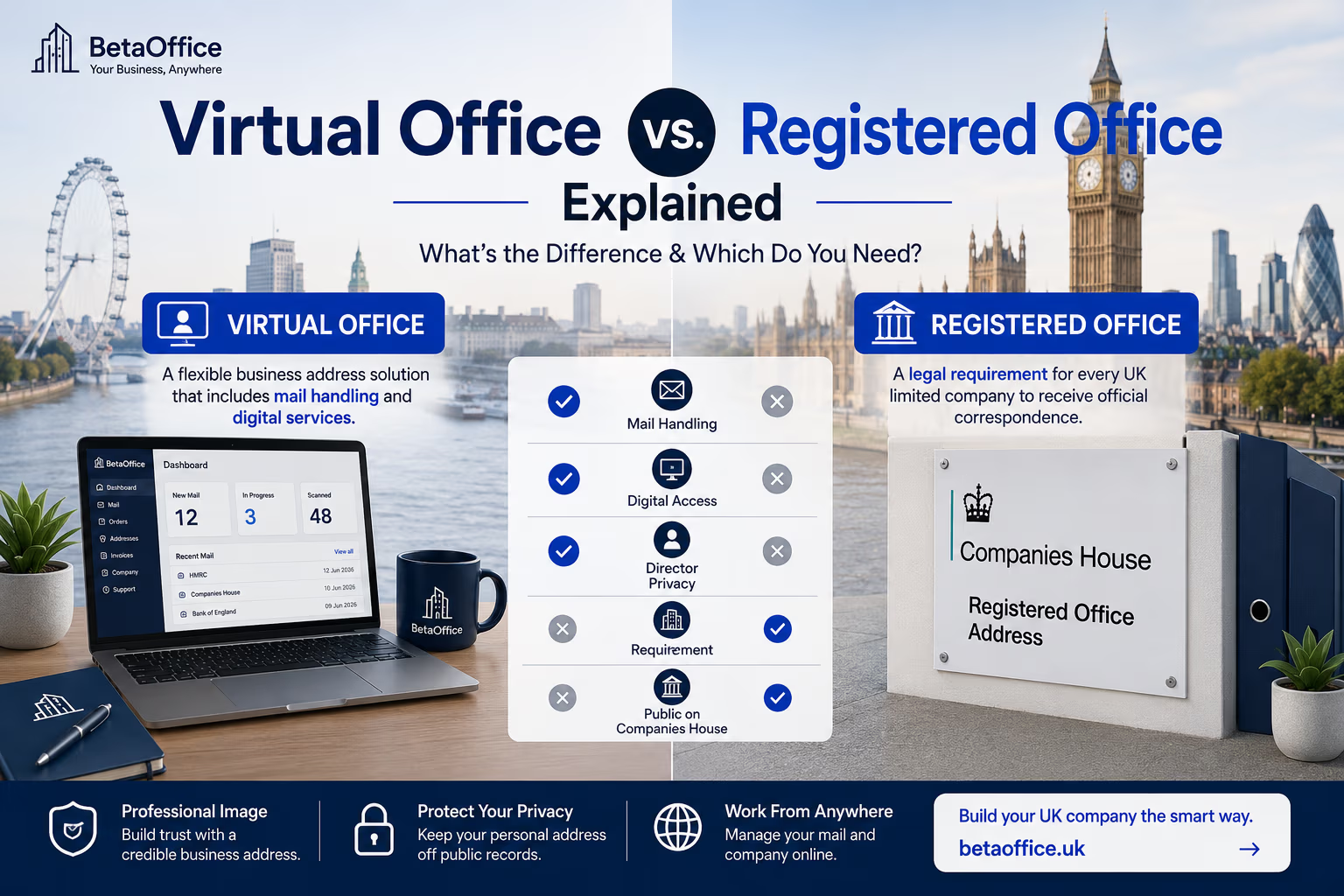
1. Registered office
- official legal address
- appears on Companies House
- receives government mail
👉 Registered office address London
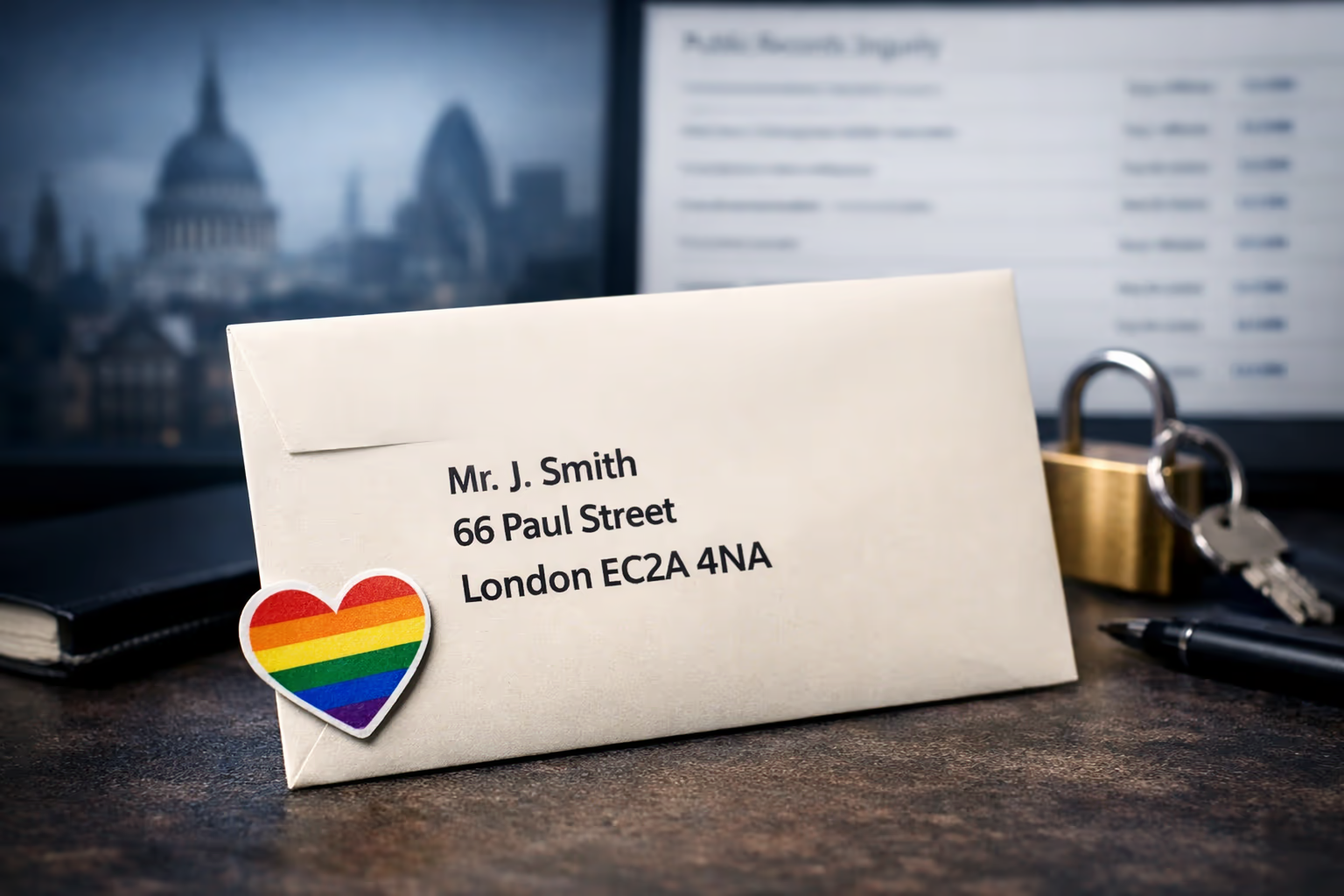
2. Director service address
- protects your home address
- used for public records
👉 Director service address London
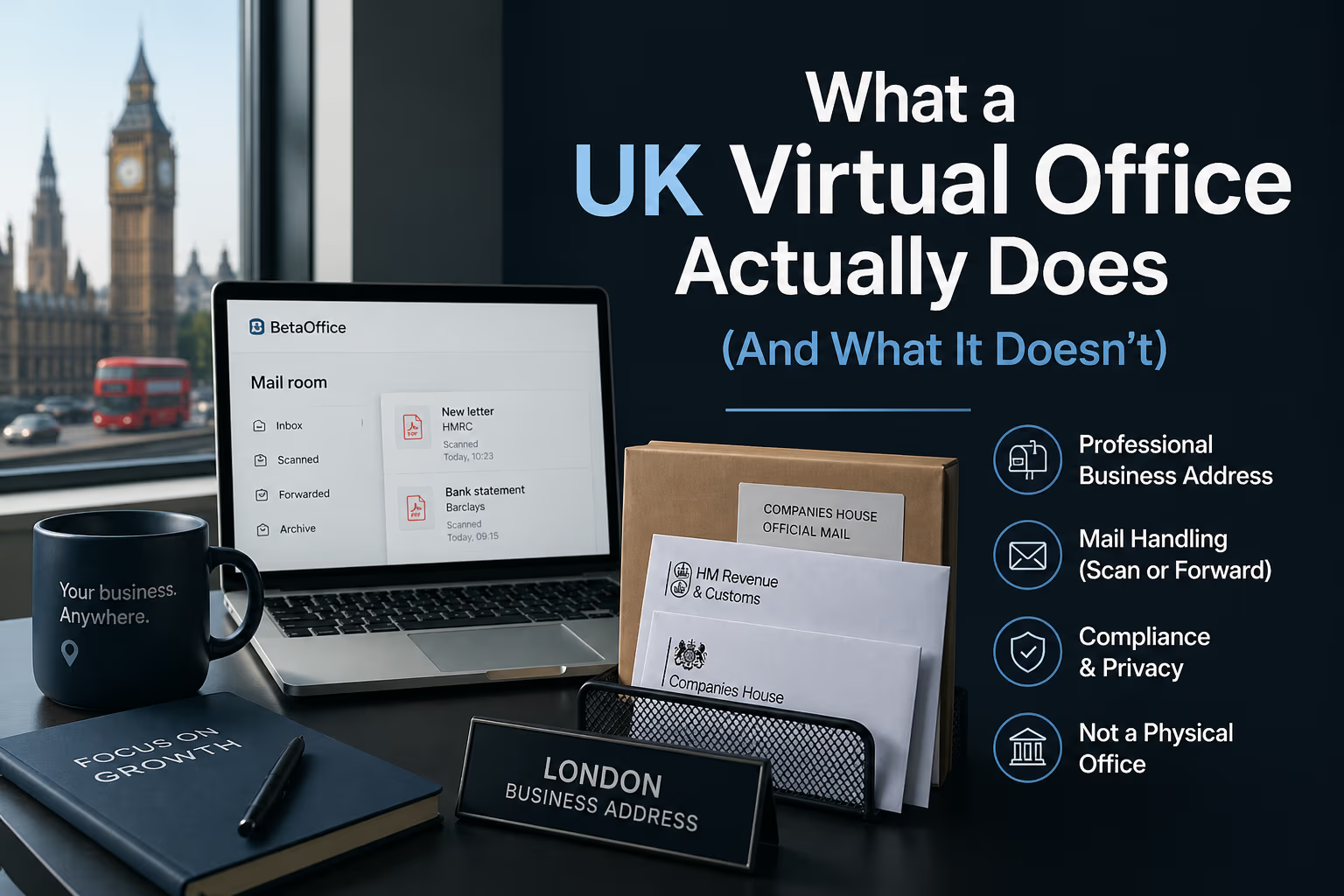
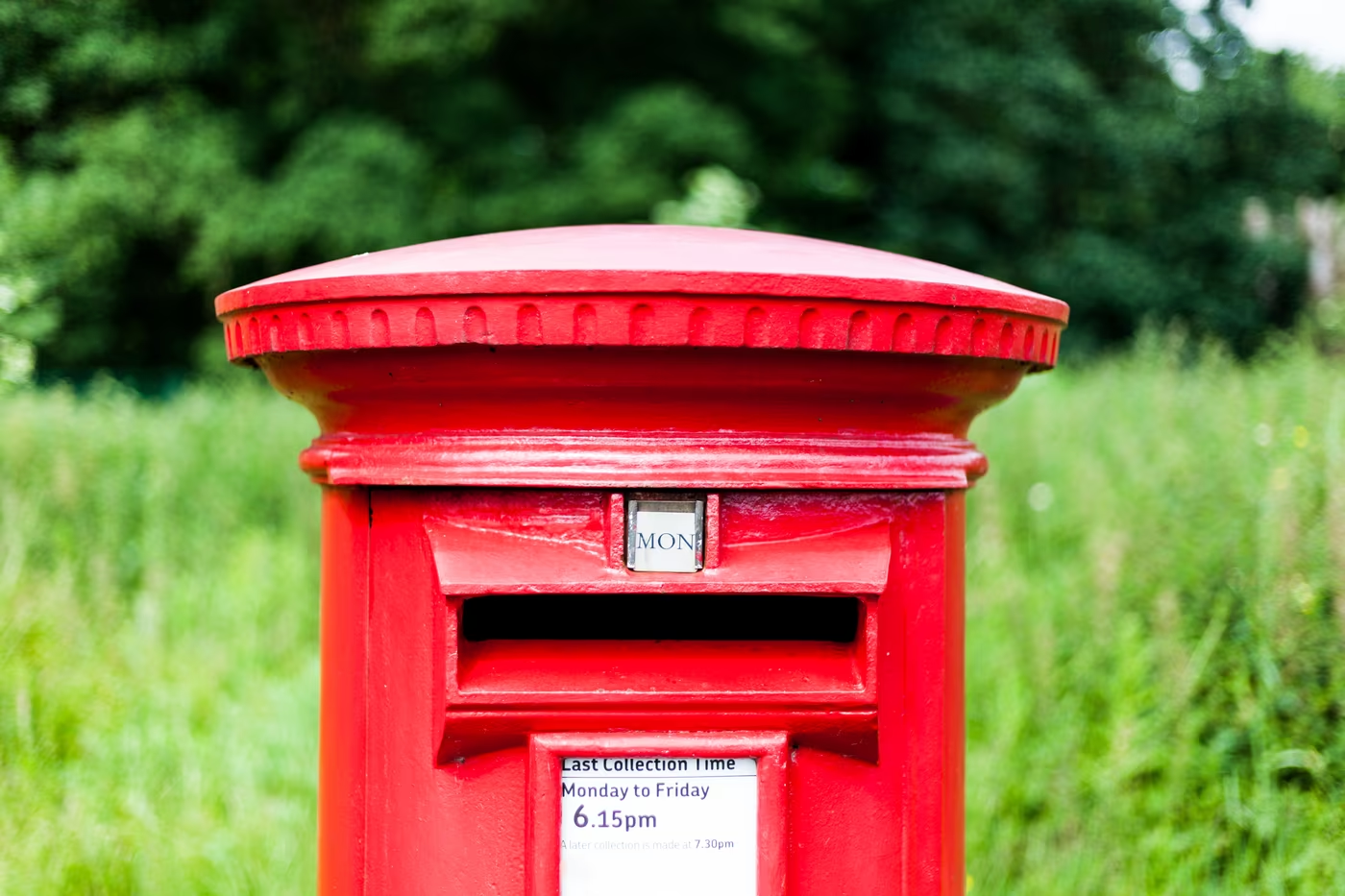
3. Mail handling
- access HMRC letters
- receive verification mail
- avoid missing deadlines
When a UK address makes the most sense
It becomes useful when you:
- run global ecommerce
- operate remotely
- scale beyond hobby level
- use Stripe / PayPal / marketplaces
Common mistakes
❌ Using a PO Box
Not compliant → causes issues
❌ Using your home address
Public + unprofessional
❌ Ignoring mail
Missed letters = real problems
Simple checklist
- registered office set
- service address configured
- mail access available
- payment providers connected
- business structure aligned
Final takeaway
You don’t need a UK business address to start.
But you will need one to scale.
The real benefit is not the address itself —
it’s the infrastructure behind it:
- compliance
- verification
- credibility
- global operation
🚀 Build your ecommerce setup properly
If you're scaling your store internationally:
✔ Pass Stripe & PayPal verification
✔ Keep your personal address private
✔ Run your business remotely
Disclaimer: This article is for general information only and does not constitute legal or financial advice.