Updated for 2026 — based on real founder experiences.
Why founders get confused about virtual offices
Set up a reliable UK business address
BetaOffice provides a compliant London address with AI-powered mail handling and a smooth remote experience.
Most founders don’t struggle because virtual offices are complicated.
They struggle because they expect them to do things they were never designed to do.
On paper, it sounds simple:
You get a UK business address.
But in practice, how that address is used — and what it actually supports — matters more than most people expect.
If you're seeing conflicting advice, this is usually why:
👉 Why virtual offices in the UK confuse founders
What a virtual office is actually used for
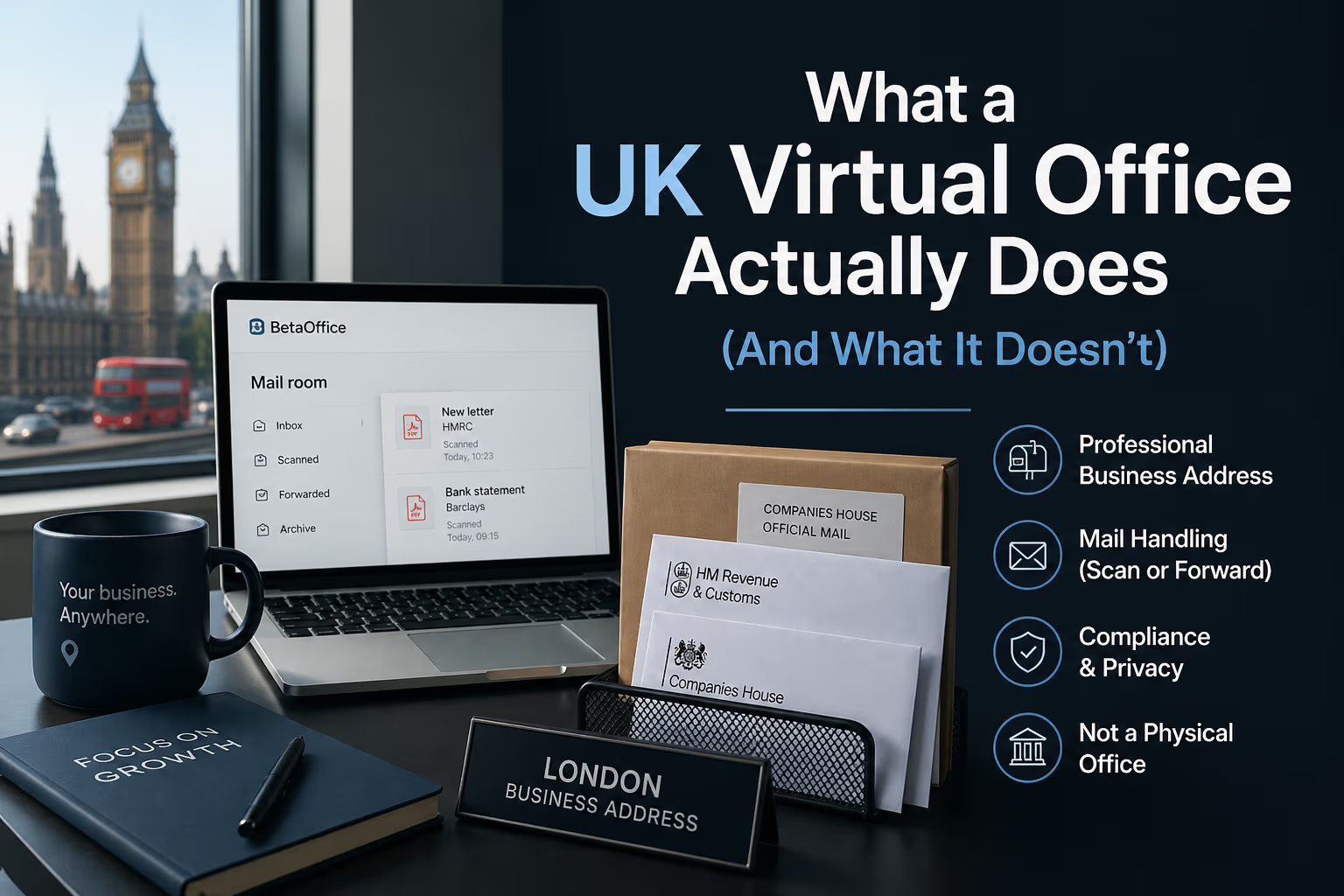
From real founder experiences, virtual offices are commonly used for:
- keeping a home address private
- receiving official letters
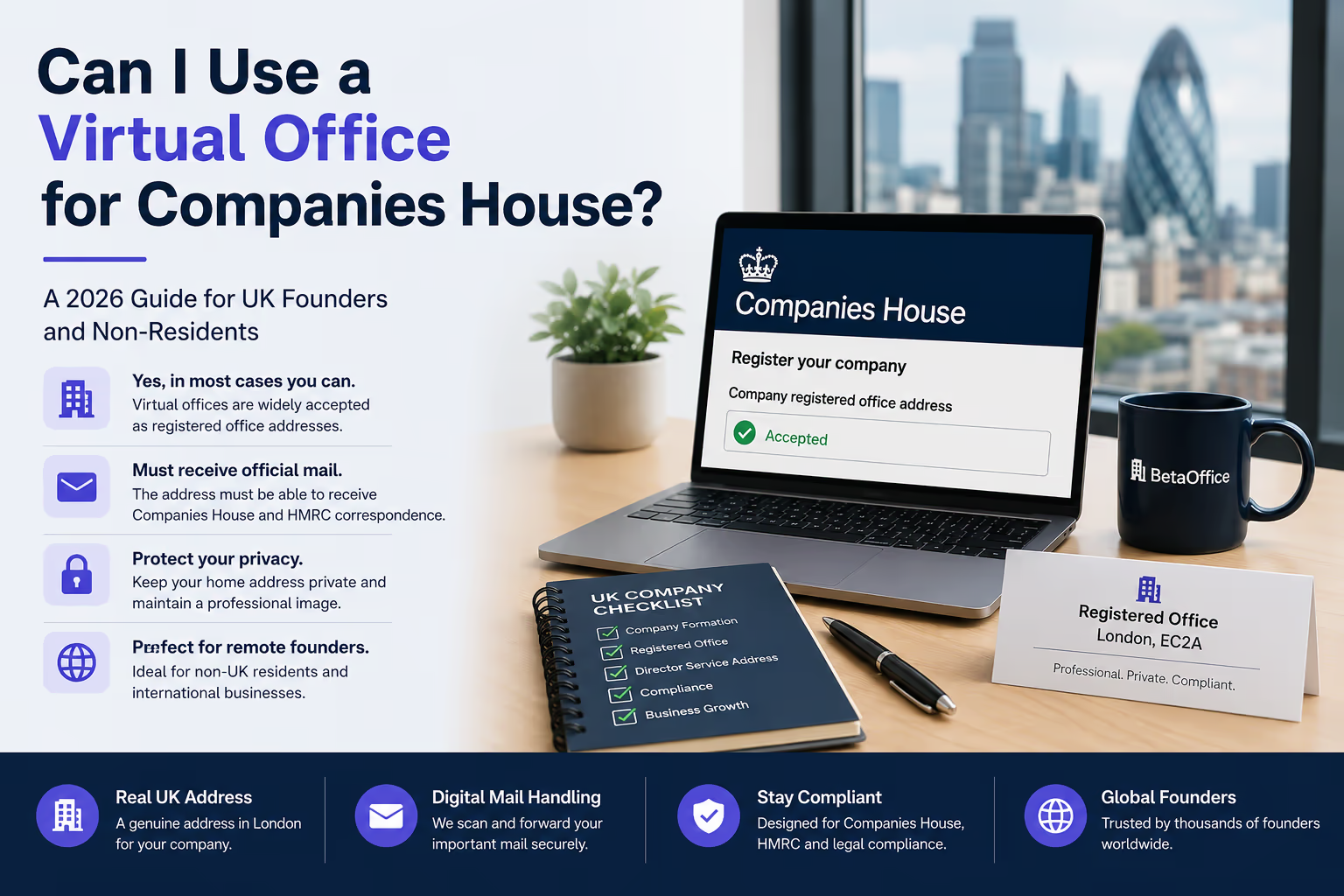
- Companies House compliance
- basic mail handling (scan or forward)
For these use cases, most setups work reliably.
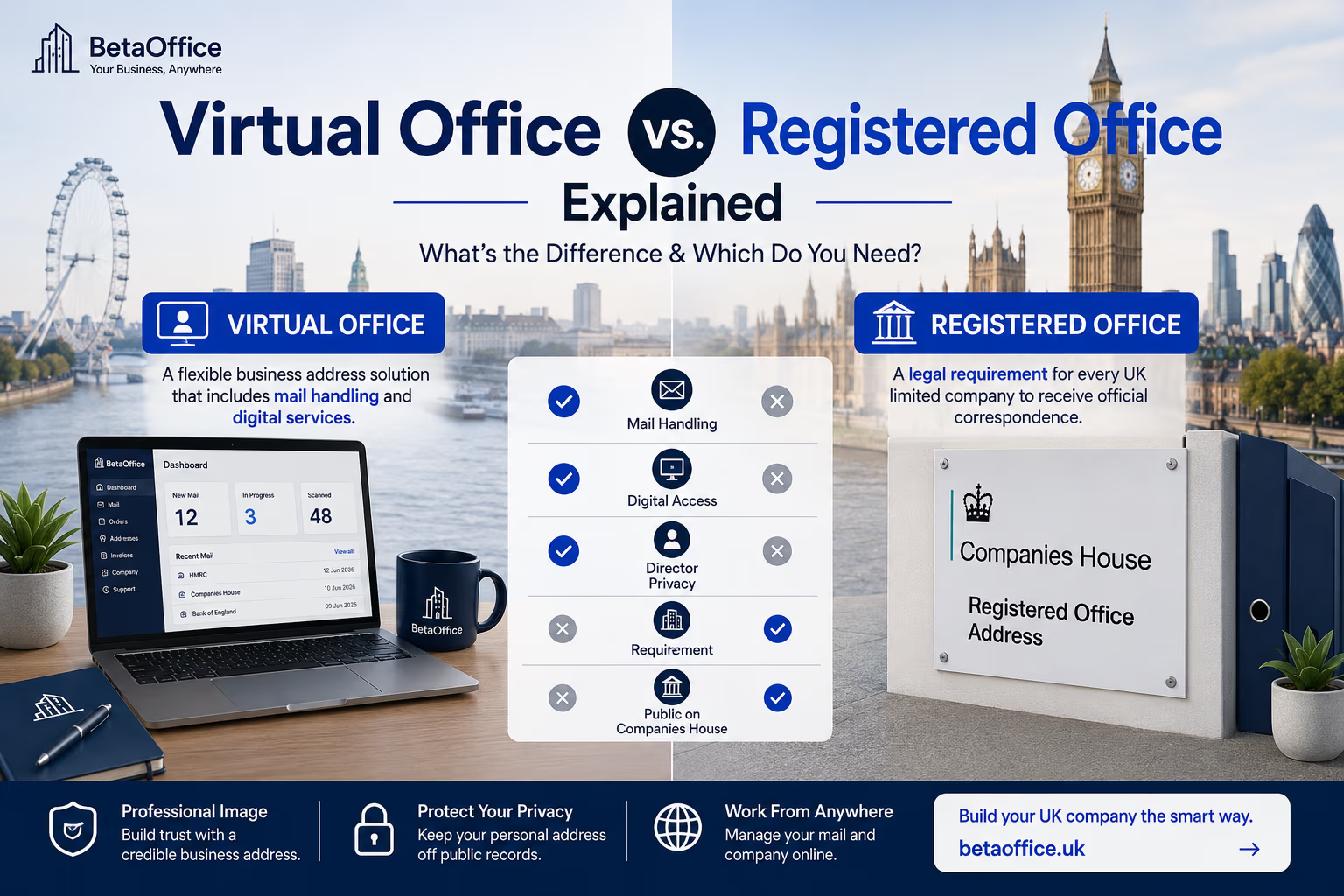
If you’re unsure how this fits into your company structure, it helps to understand what a registered office actually is:
👉 What is a registered office address?
What a virtual office is NOT
This is where most problems begin.
A virtual office is not designed to be:
- a physical workspace
- a walk-in office
- a way to fake local presence for SEO
When founders try to stretch it into those use cases, things start to break.
Used correctly, it’s boring infrastructure — and that’s exactly how it should be.
Real issues founders run into
Even when everything is set up correctly, a few friction points show up consistently:
- banks asking for additional verification
- confusion around which address is used where
- delays from providers handling mail or support
These aren’t deal-breakers.
But they’re the kind of small issues that catch people off guard.
If you're dealing specifically with banking concerns:
👉 Can you open a UK business bank account with a virtual office?
The difference between providers (what people realise later)
One of the biggest differences founders notice isn’t the address itself.
It’s how the provider operates.
Some setups feel purely corporate and transactional.
Others offer something much simpler — but more valuable:
- quick responses
- clear communication
- reliable handling of important mail
Over time, this becomes a big part of the experience.
What founders realise too late
A virtual office isn’t a growth tool.
It doesn’t make your business perform better.
It doesn’t replace a real office.
What it does is give your business a stable, compliant base to operate from.
When it works, you don’t notice it.
When it doesn’t, everything becomes harder.
If you're running a company from abroad, this becomes even more critical:
👉 What nobody tells you about UK business addresses
Final takeaway
Most problems with virtual offices don’t come from the concept itself.
They come from mismatched expectations.
If you understand what it’s actually designed to do — and choose a reliable setup — it becomes one of the simplest parts of running a UK company.
🚀 Set up your UK business the right way
If you’re running a UK company (especially from abroad), having a reliable address setup makes everything smoother.
✔ Registered office address
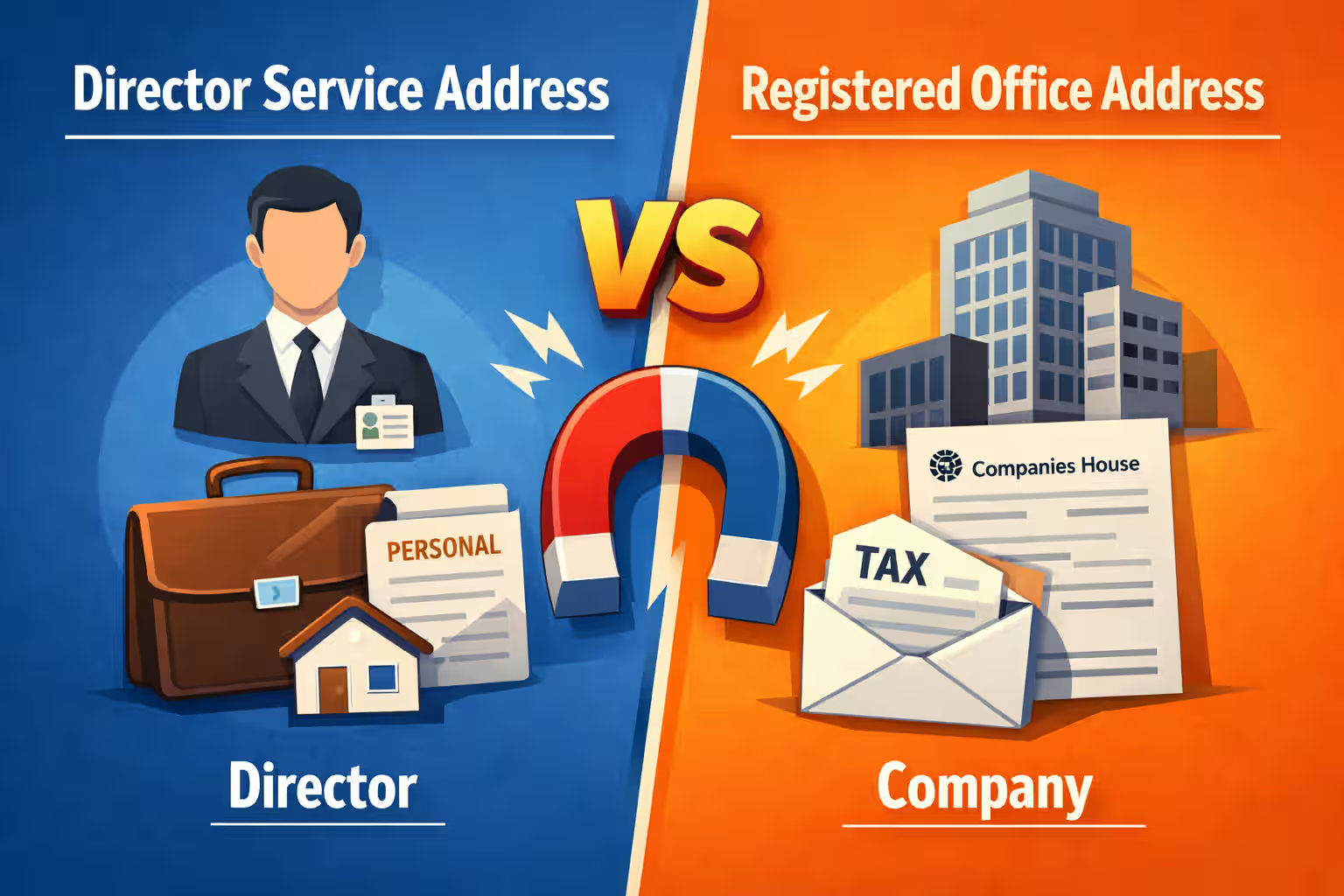
✔ Director service address
✔ Digital mail access
👉 Explore the full setup here:
London virtual office address
Related reads
– Why virtual offices in the UK confuse founders
– Can you open a UK business bank account with a virtual office?
– What nobody tells you about UK business addresses