The UK is one of the easiest places in the world to open a company — even if you don’t live there.
TL;DR
Start your UK company setup remotely
Get a compliant UK address, protect your privacy, and run your company from anywhere in the world.
Yes — you can open a UK limited company as a non-resident.
You don’t need to:
- live in the UK
- be a UK citizen
But you do need:
- a registered office address
- a director
- proper compliance setup
Why non-UK founders choose UK companies
Many international founders operate through UK companies.
Common reasons:
- global credibility
- compatibility with Stripe, PayPal, marketplaces
- simple formation process
- recognised legal structure
For online businesses, the UK often acts as a neutral international base.
Can non-residents legally open a UK company?
Yes.
You can:
- own 100% of the company
- be the sole director
- operate remotely
There is no residency requirement.
However, the company must still maintain UK-based elements.
Step 1 — Choose your company name
Your company name must:
- be unique
- follow Companies House rules
- avoid restricted terms
Check availability:
https://find-and-update.company-information.service.gov.uk/
Step 2 — Appoint a director
Every UK company needs at least one director.
Important:
- does not need to be UK resident
- can be any nationality
- most founders appoint themselves
Step 3 — Set up a registered office address
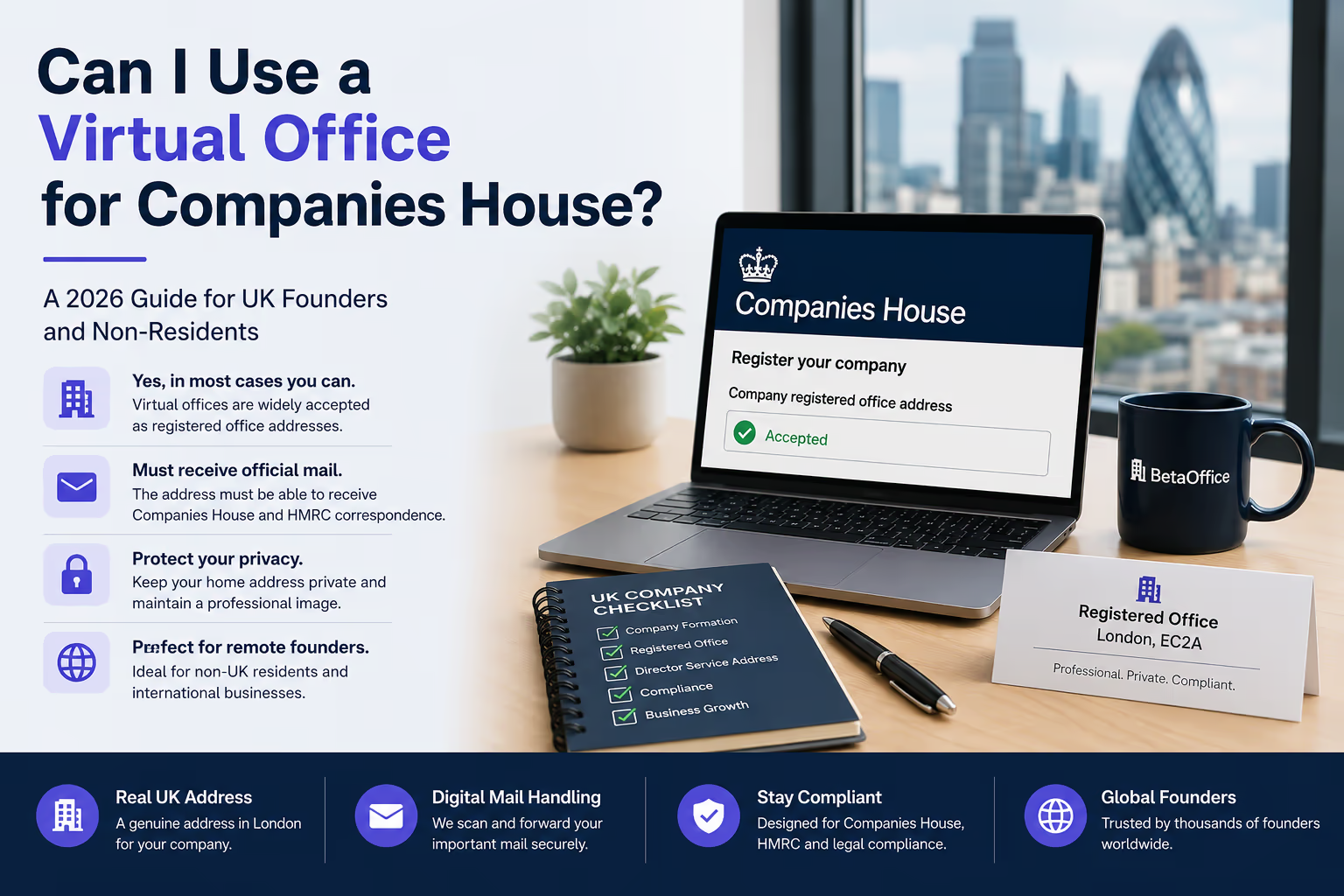
This is the most important requirement for non-residents.
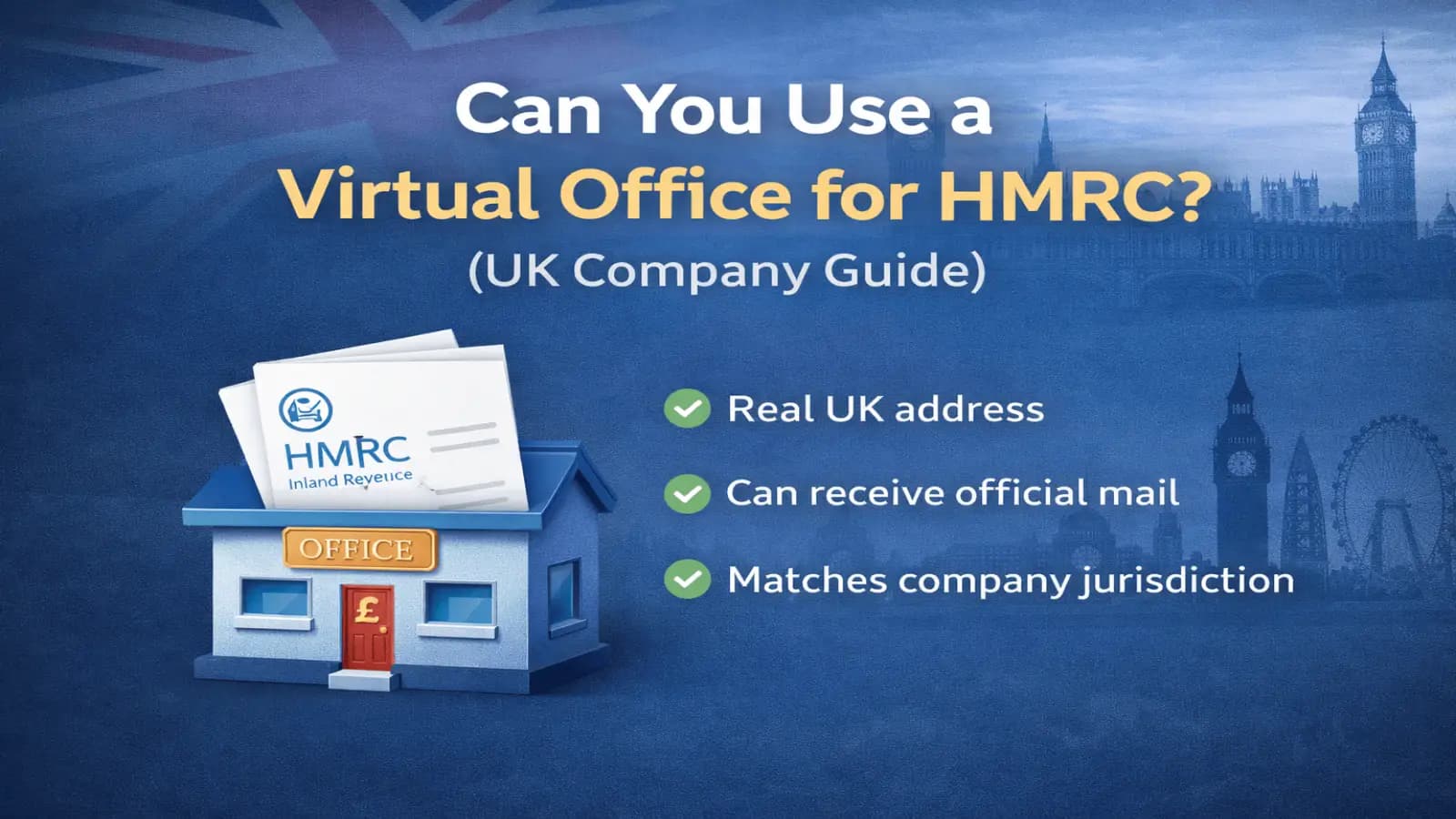
Your company must have a:
- real UK address
- capable of receiving official mail
- correct jurisdiction (usually England & Wales)
👉 Registered office address in London
For international founders:
👉 UK address for non-residents
Step 4 — Register the company
You can register:
- directly with Companies House
- via formation agents
- via accountants
Once completed:
- company number is issued
- company becomes legally active
Step 5 — Set up banking and payments
After formation, you’ll connect financial tools.
Common options:
- Wise Business
- Payoneer
- Revolut Business
For payments:
- Stripe
- PayPal
- ecommerce platforms
Related guides:
👉 UK address for Shopify
👉 UK address for Stripe
👉 UK address for PayPal
Why address setup is critical
This is where most non-residents struggle.
A proper setup includes:
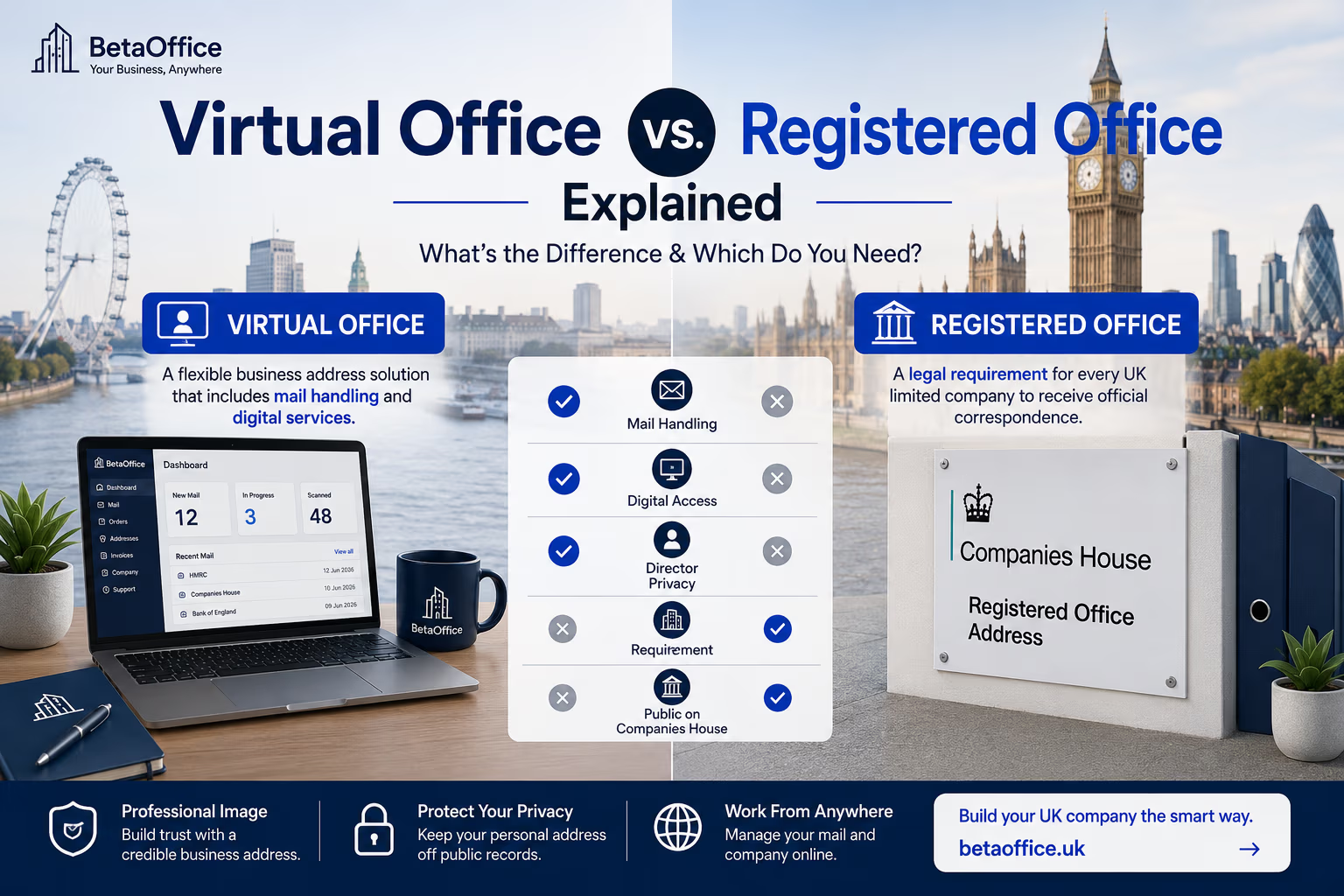
- Registered office
- Director service address
- Mail handling
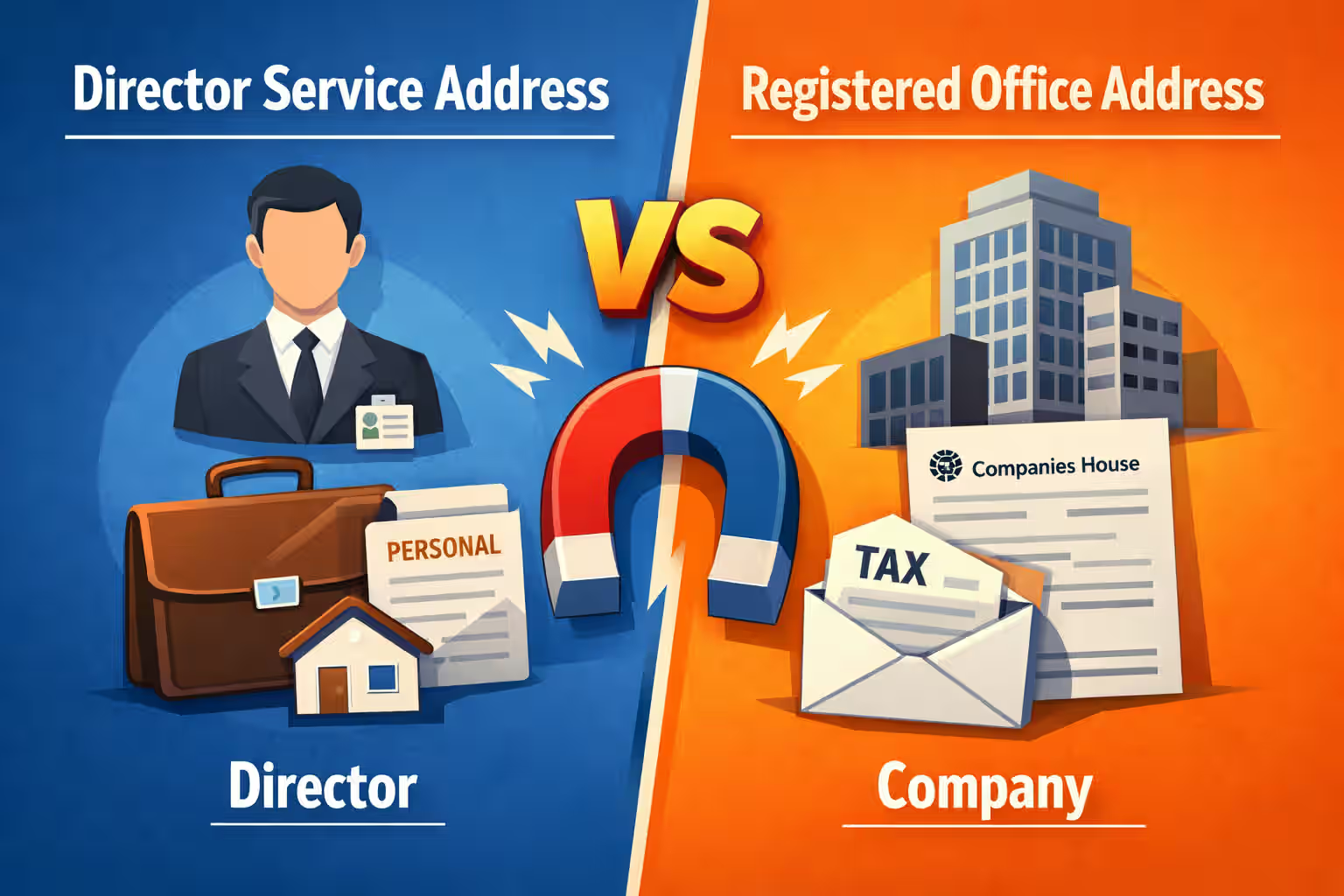
Registered office
- appears on Companies House
- receives official mail
- must always be valid
Director service address
Used instead of your home address.
Benefits:
- privacy protection
- cleaner public record
- professional appearance
👉 Director service address London
Mail handling
Without this, you can miss:
- HMRC letters
- compliance notices
- bank verification
A
👉 virtual office in London
typically combines everything:
- registered office
- service address
- digital mail access
Tax responsibilities (important)
Opening the company is easy.
Managing tax is what matters.
Typical obligations:
- corporation tax
- annual accounts
- confirmation statements
- possible VAT
Your situation depends on:
- where you live
- where customers are
- business model
👉 Most founders use an accountant.
When a UK company makes sense
Best for:
- SaaS founders
- ecommerce sellers
- consultants
- digital businesses
Less useful for:
- fully local businesses in another country
Common mistakes
Thinking formation is the hard part
It’s not — setup is easy.
Ignoring mail handling
Missing letters = real problems.
Using the wrong address
PO Box / weak providers → banking issues.
Simple checklist
- registered office set
- service address configured
- mail access available
- payment systems connected
- accountant (optional but recommended)
Final takeaway
Opening a UK company as a non-resident is simple.
But what makes it work is:
- address infrastructure
- banking setup
- compliance systems
When these are done properly, you can run a UK company from anywhere.
🌍 Build your UK company properly from day one
If you’re setting up remotely:
✔ Use a compliant UK address
✔ Keep your home address private
✔ Access your mail digitally
Disclaimer: This article is for general information only and does not constitute legal or tax advice.