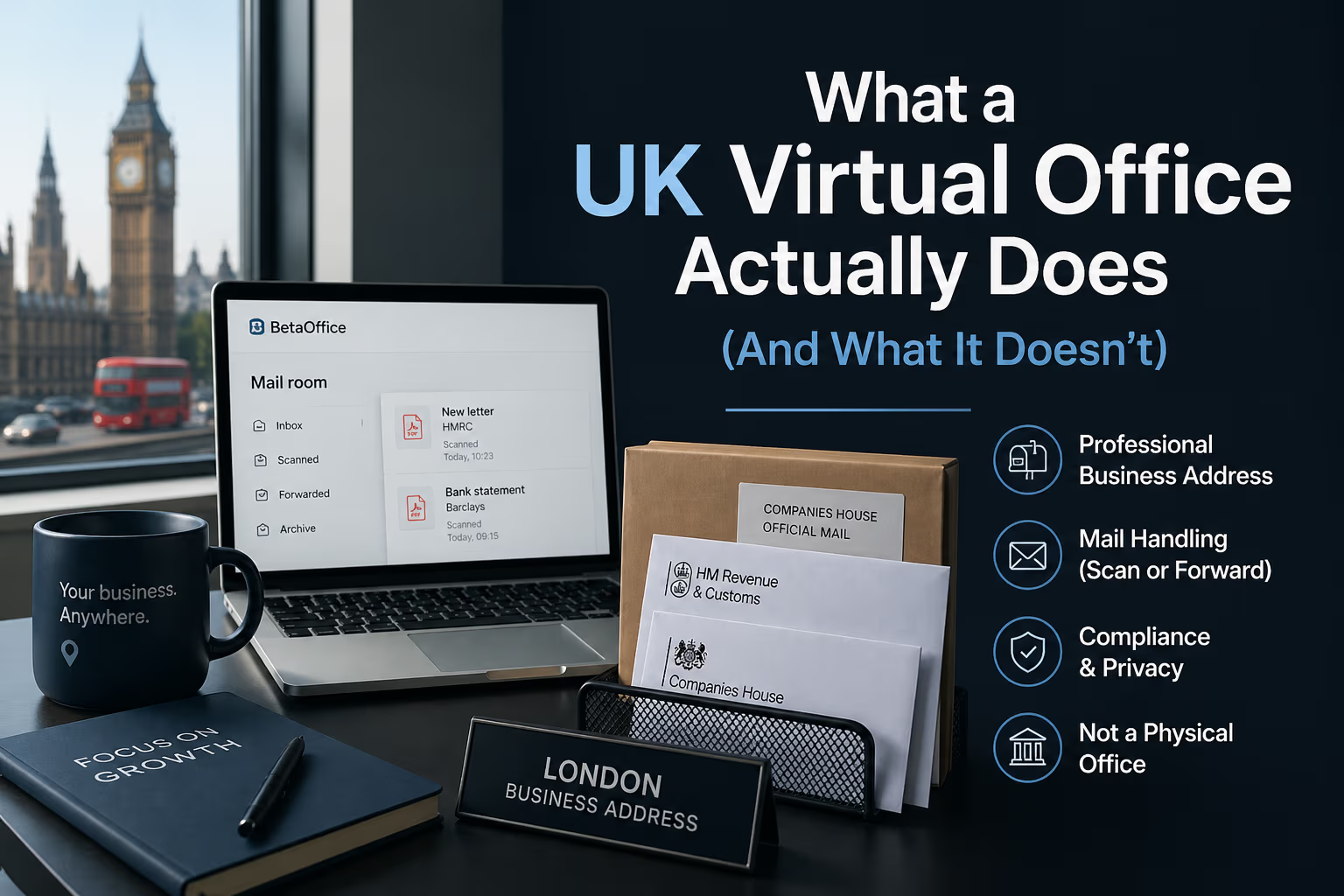
TL;DR
Set up your company addresses properly
Use a compliant UK address, protect your home address, and structure your company correctly from day one.
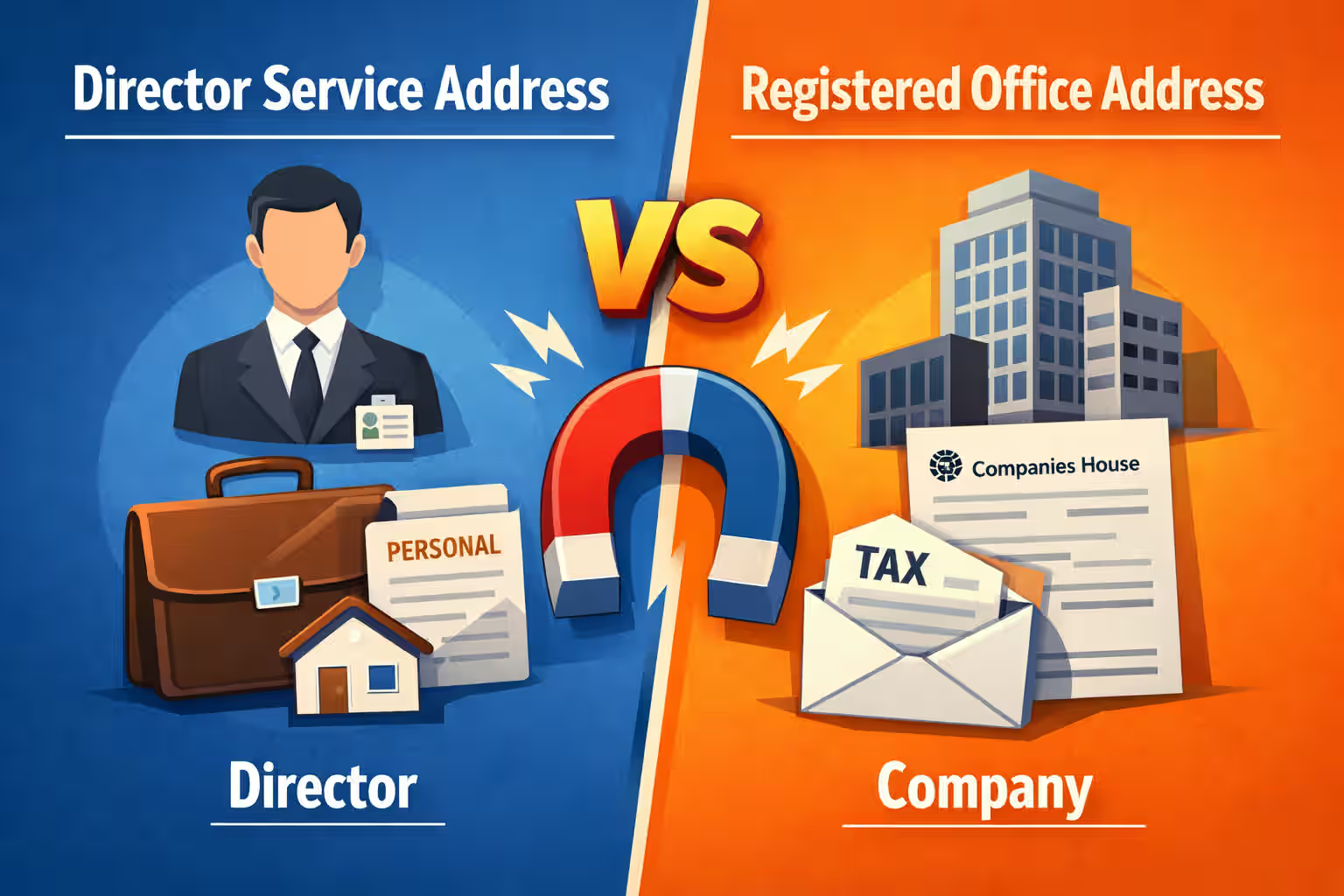
- Registered office = company’s legal address
- Service address = director’s public contact address
Both appear on Companies House — but they serve different purposes.
Why founders get confused
These two addresses:
- both appear on Companies House
- both are public
- both receive official correspondence
👉 So founders assume they are the same.
They’re not.
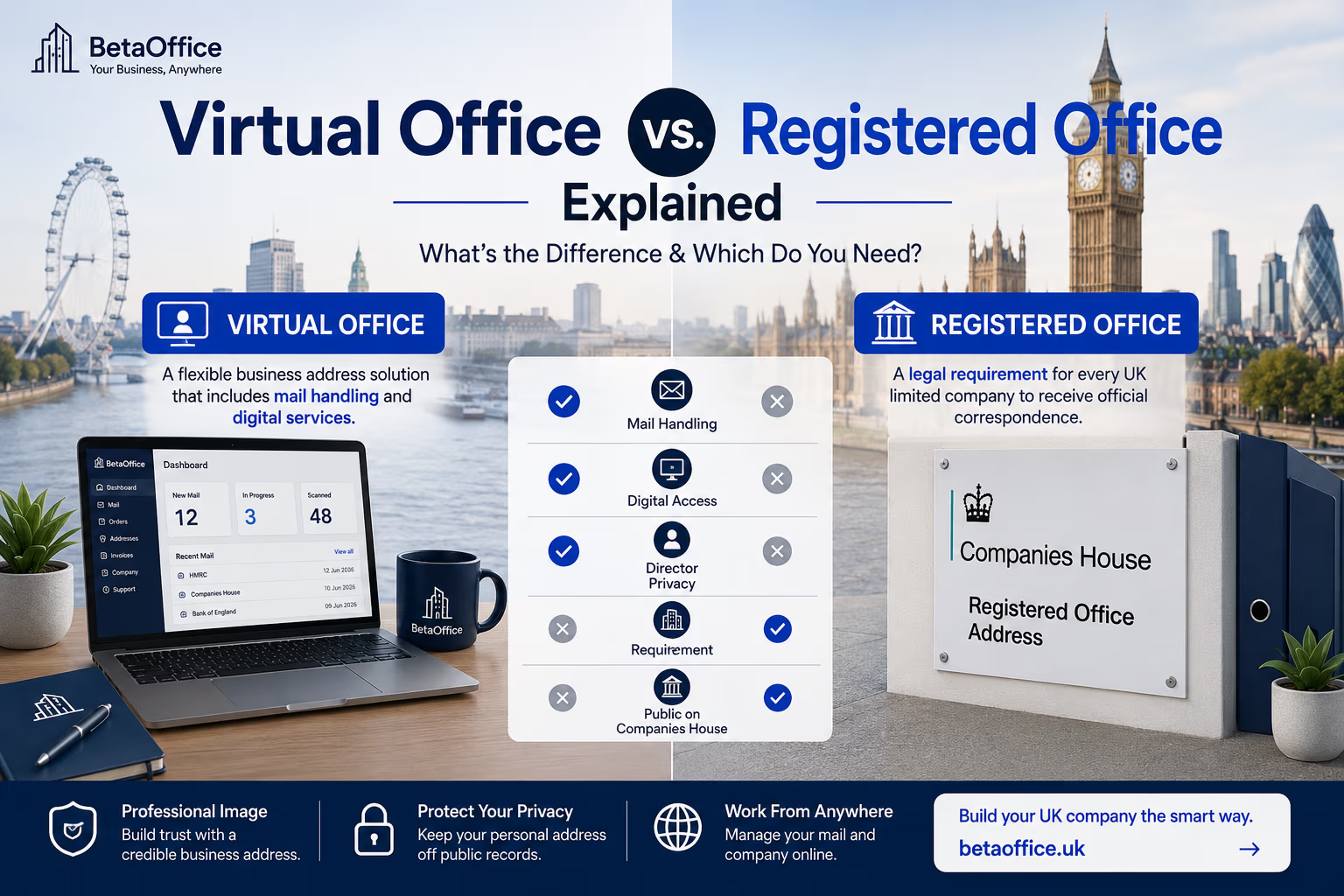
What is a registered office address?
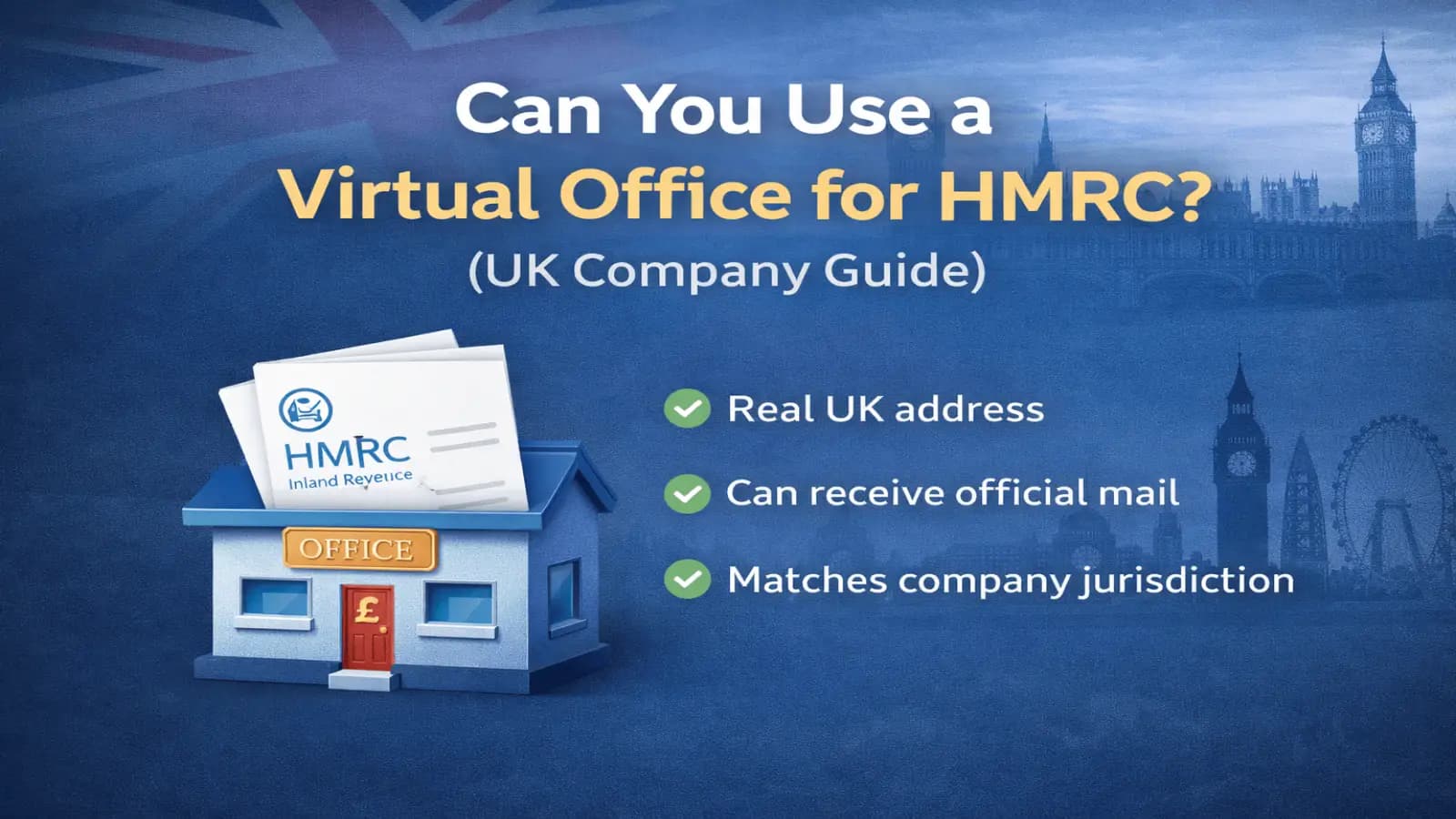
This is the official legal address of the company.
Used for:
- HMRC letters
- Companies House notices
- legal documents
It must:
- be a real UK street address
- match the company’s jurisdiction
- always be active
👉 What is a registered office address?
What is a director service address?
This is the public address of the director.
Used for:
- director contact on Companies House
- official correspondence related to the individual
Important:
👉 It is not the same as the residential address
👉 The home address remains private
Official reference:
https://www.gov.uk/guidance/appoint-a-director-to-a-company
The key difference (simple)
| Address | Belongs to | Purpose |
|---|---|---|
| Registered office | Company | Legal + HMRC |
| Service address | Director | Public contact |
| Residential | Director | Private |
Why founders use both
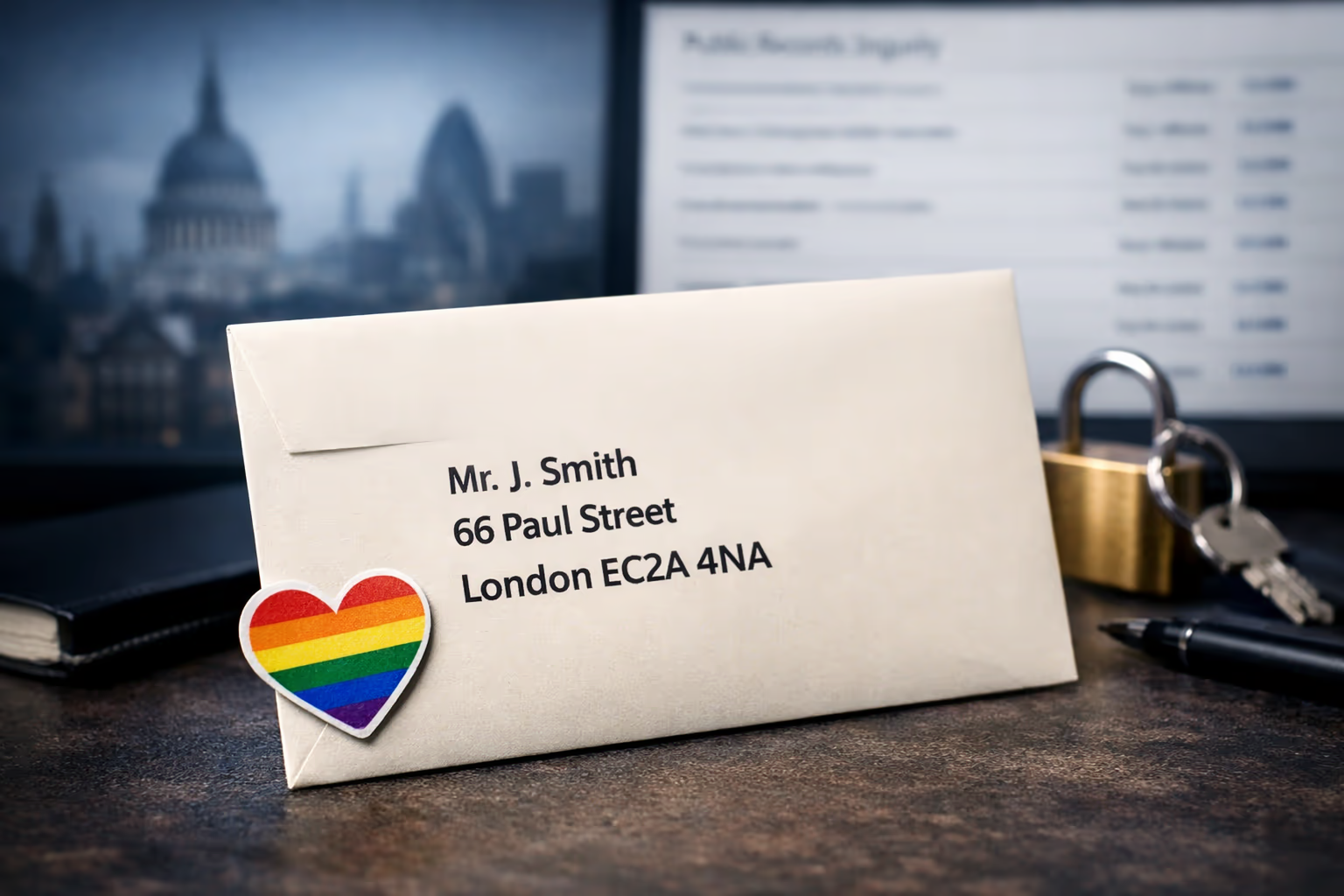
If you use your home address:
❌ It becomes public
❌ It stays on record
❌ It can be searched online
So founders typically:
- use a registered office for the company
- use a service address for directors
- keep home address private
Typical UK company setup
A clean structure looks like this:
- Registered office → company
- Service address → director
- Residential → private
👉 This separates compliance from personal life.
Can they be the same?
Yes.
But most founders separate them for:
- privacy
- cleaner structure
- flexibility
What Companies House requires
You must have:
- a valid UK registered office
- a service address for each director
Both must be:
- real addresses
- capable of receiving mail
https://www.gov.uk/limited-company-formation
Can non-UK founders use this?
Yes — this is very common.
Typical setup:
- UK registered office
- service address
- remote operation
👉 Open a UK company as a non-resident
What NOT to use
❌ PO Box only
Not valid for registered office.
Mini FAQ
Does HMRC write to the service address?
No — usually to the registered office.
Can I change my service address?
Yes — via Companies House.
Can multiple directors share one address?
Yes — very common.
Final takeaway
- Registered office = company
- Service address = director
Understanding this distinction helps you:
✔ stay compliant
✔ protect your privacy
✔ avoid future issues
🧠 Set your structure correctly from day one
A proper setup includes:
✔ registered office
✔ service address
✔ mail handling
Disclaimer: This article is for general information only and does not constitute legal advice.