📬 Many founders ask:
'If I use a virtual office, can HMRC still visit me?'
The answer is more nuanced than most people think.
Overview
Need a compliant London address for your company?
BetaOffice provides a London registered office address, director service address, and digital mail handling designed for modern businesses.
One of the biggest misconceptions about virtual offices is that they somehow hide a company from HMRC.
They do not.
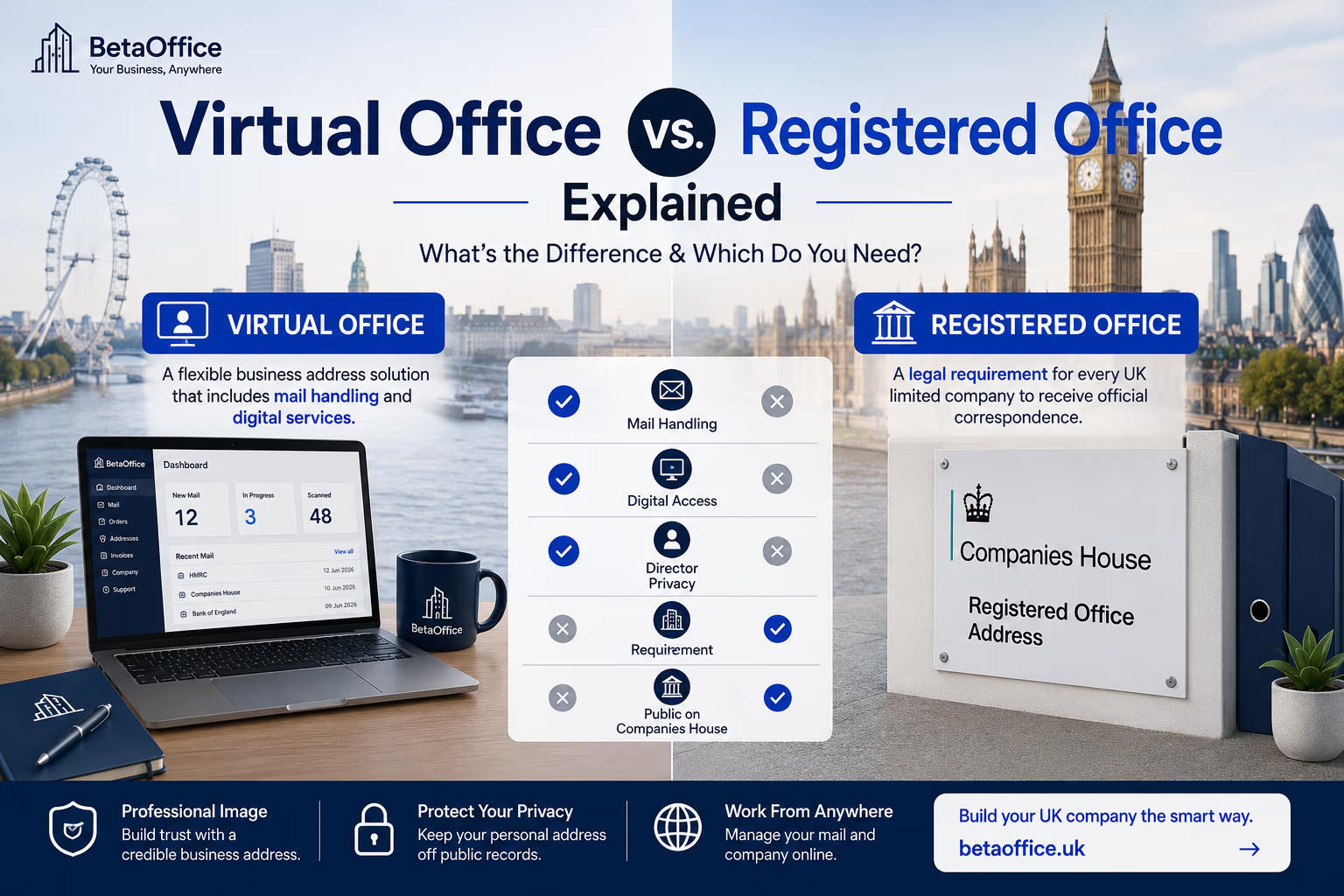
A virtual office is simply a business address service that allows companies to receive official correspondence without using a home address.
This guide explains:
- Whether HMRC can visit a virtual office
- What HMRC actually uses your registered office for
- How HMRC correspondence is handled
- What founders should know about compliance
- Common myths about virtual offices
Let's break it down.
1) What Is a Virtual Office?
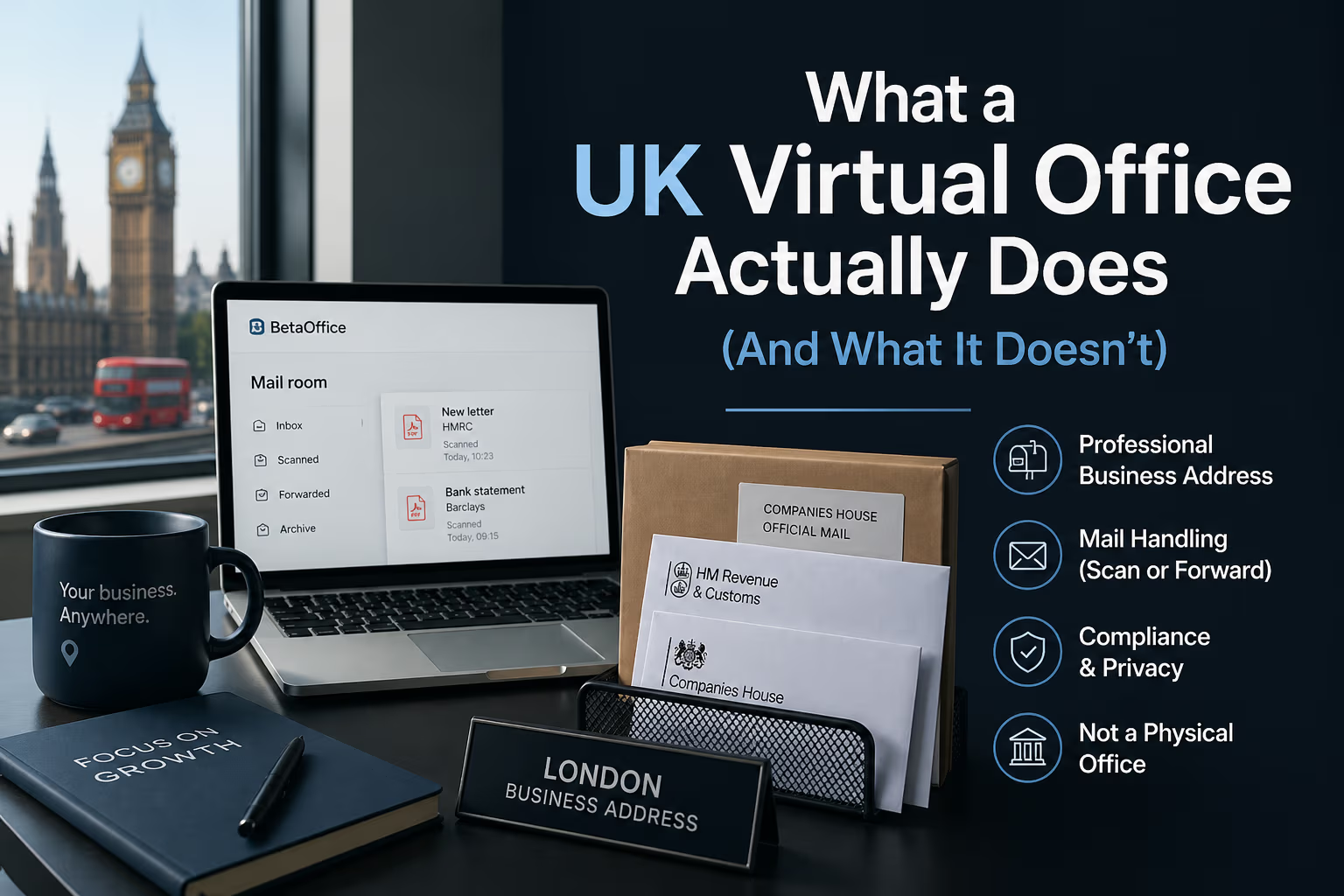
A virtual office is a service that provides:
- A business address
- Mail handling
- Mail scanning
- Mail forwarding
- Registered office services
- Director service address services
Many founders use virtual offices because they:
- Work remotely
- Travel frequently
- Live overseas
- Want privacy
- Do not want to rent physical office space
Learn more:
👉 What a UK Virtual Office Actually Does
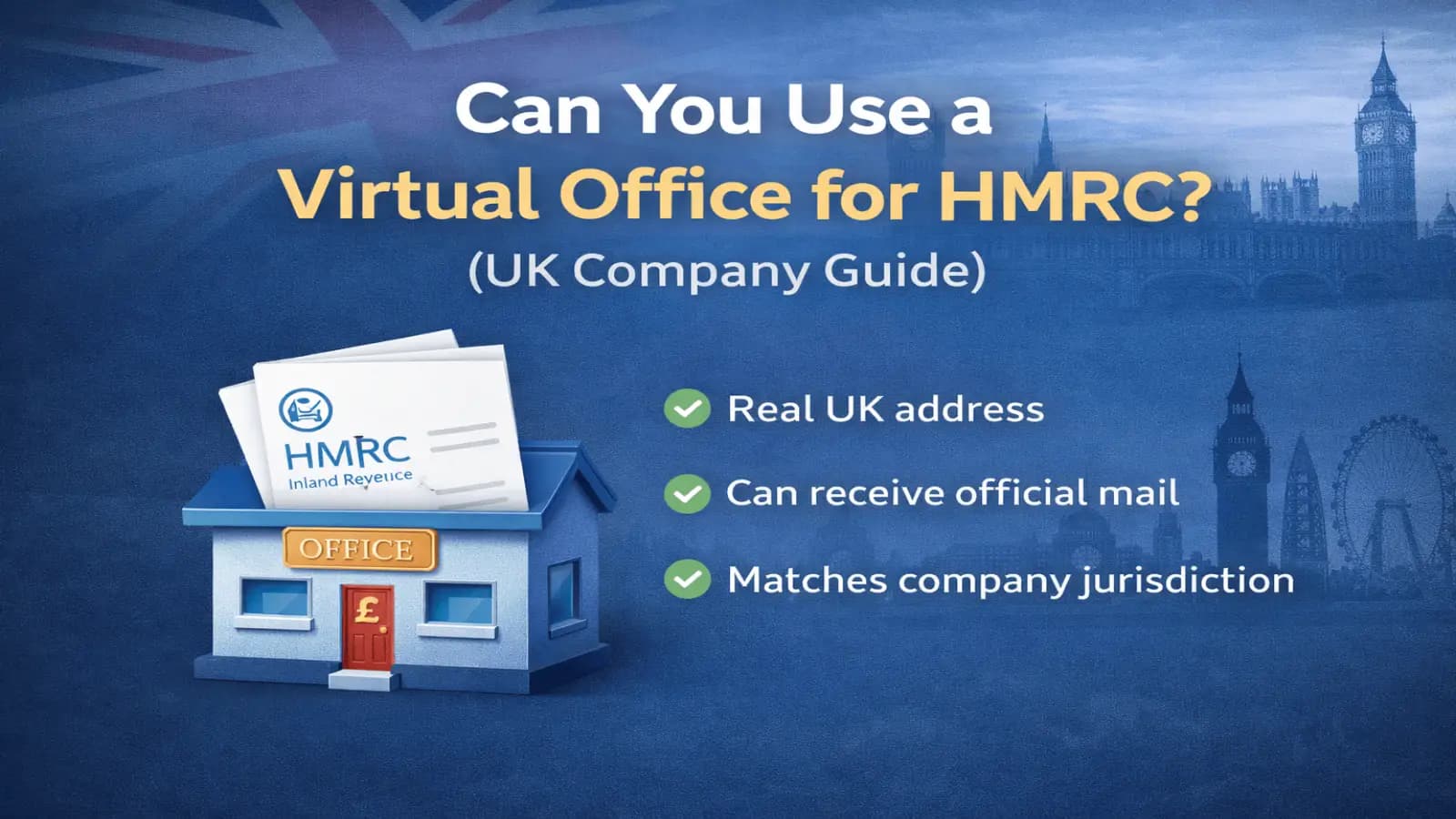
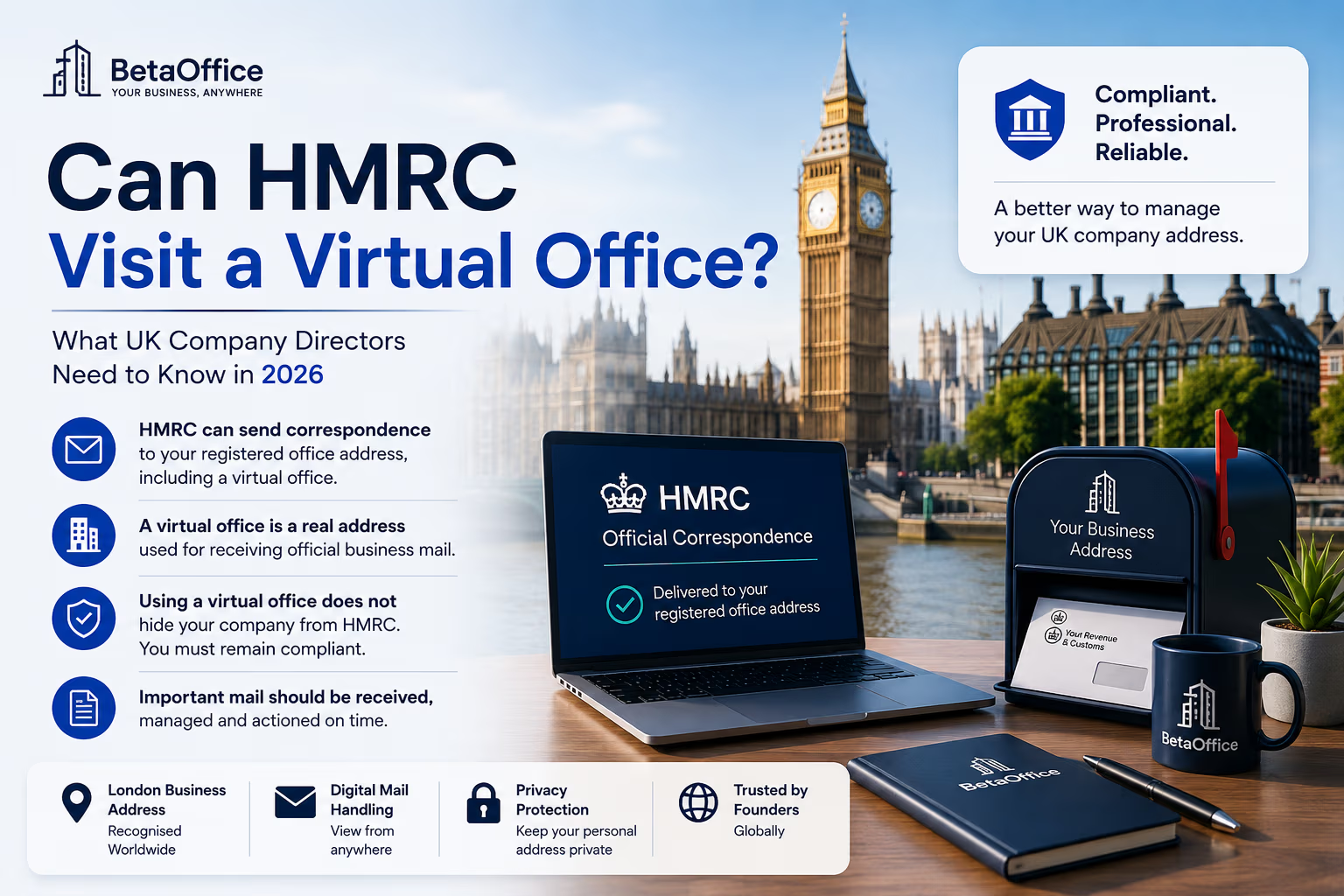
2) Can HMRC Send Mail to a Virtual Office?
Yes.
One of the most common uses of a virtual office is receiving HMRC correspondence.
Examples include:
- Corporation Tax letters
- VAT correspondence
- PAYE notices
- Filing reminders
- Tax reference information
- Compliance notices
This is one reason why founders use registered office services.
Official guidance:
https://www.gov.uk/limited-company-formation/company-address
3) Can HMRC Physically Visit a Virtual Office?
Potentially, yes.
A virtual office is a real address.
If HMRC wanted to attend the address listed on company records, there is generally nothing preventing them from visiting it.
However, founders often misunderstand what that means.
Most virtual office providers are mail handling facilities.
They are not where the company actually operates.
A visit to a virtual office would not necessarily reveal where company directors live or work.
4) Does Using a Virtual Office Hide a Company From HMRC?
No.
This is one of the biggest myths.
HMRC can still access:
- Company registration details
- Director information
- Tax records
- Filing history
- Business activity
- VAT registrations
- Corporation Tax records
Using a virtual office does not remove any legal obligations.
It simply changes where official mail is received.
5) Why Do Companies Use Virtual Offices Then?
The main reasons are:
Privacy
Many founders do not want their residential address publicly visible.
Professional Image
A London business address often appears more professional than a residential address.
Remote Working
Many companies operate fully remotely.
They still need an address for:
- Companies House
- HMRC
- Business correspondence
International Founders
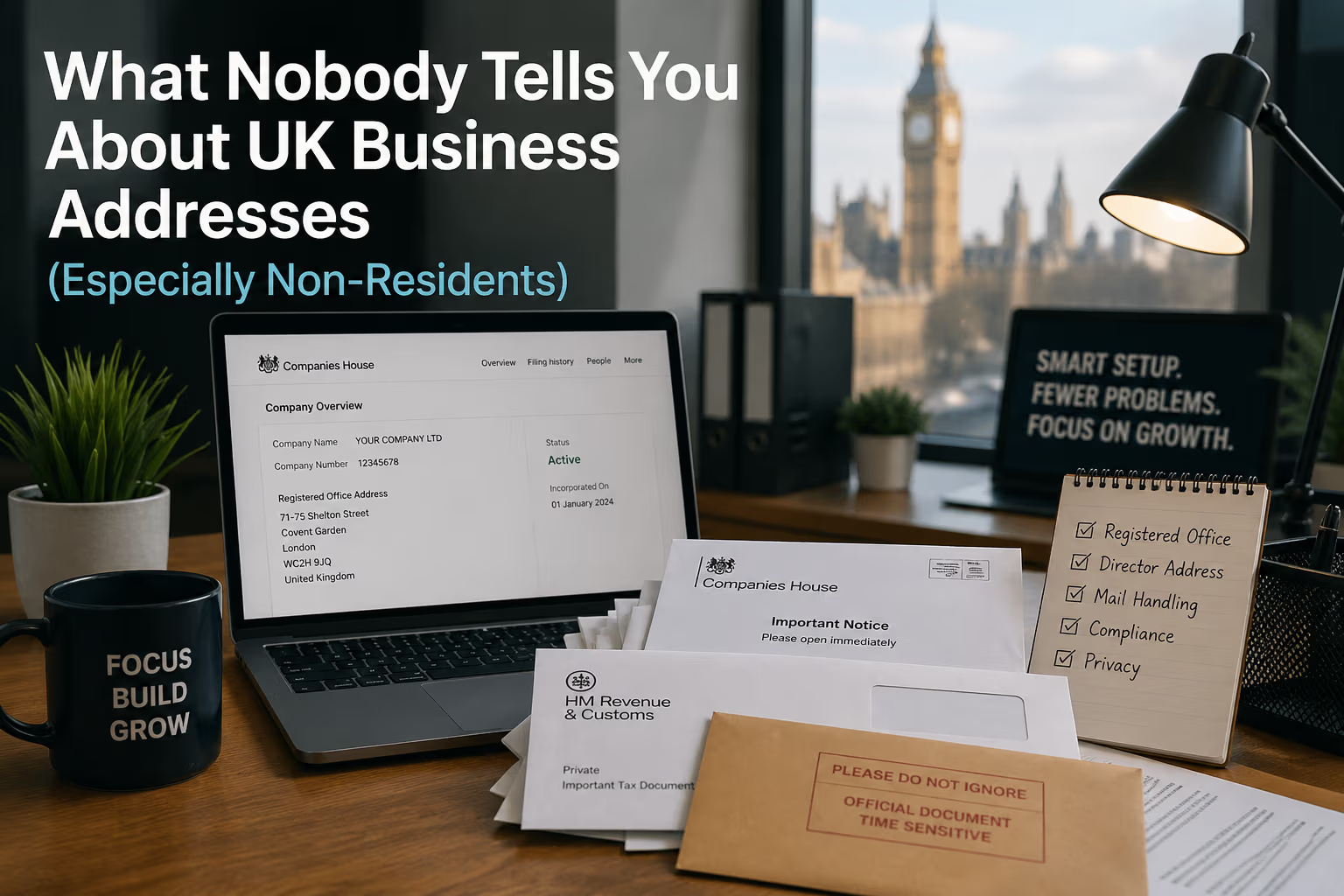
Many non-UK residents use virtual offices because they need a UK company address without living in Britain.
👉 UK Address for Non Residents
👉 Best Registered Office Address for Non-UK Residents
6) What Happens if HMRC Sends a Letter?
The important question is not whether HMRC can send a letter.
The important question is:
Will you receive it?
A good provider should offer:
- Prompt mail handling
- Digital scanning
- Notifications
- Secure access
Missing HMRC correspondence can create problems.
This is why mail handling quality matters.
7) What If HMRC Needs More Information?
HMRC may contact a company for many reasons.
Examples include:
- Routine compliance checks
- VAT questions
- Corporation Tax matters
- PAYE matters
- Clarification requests
These situations are not unique to virtual office users.
They can happen to any company.
The important thing is responding appropriately and on time.
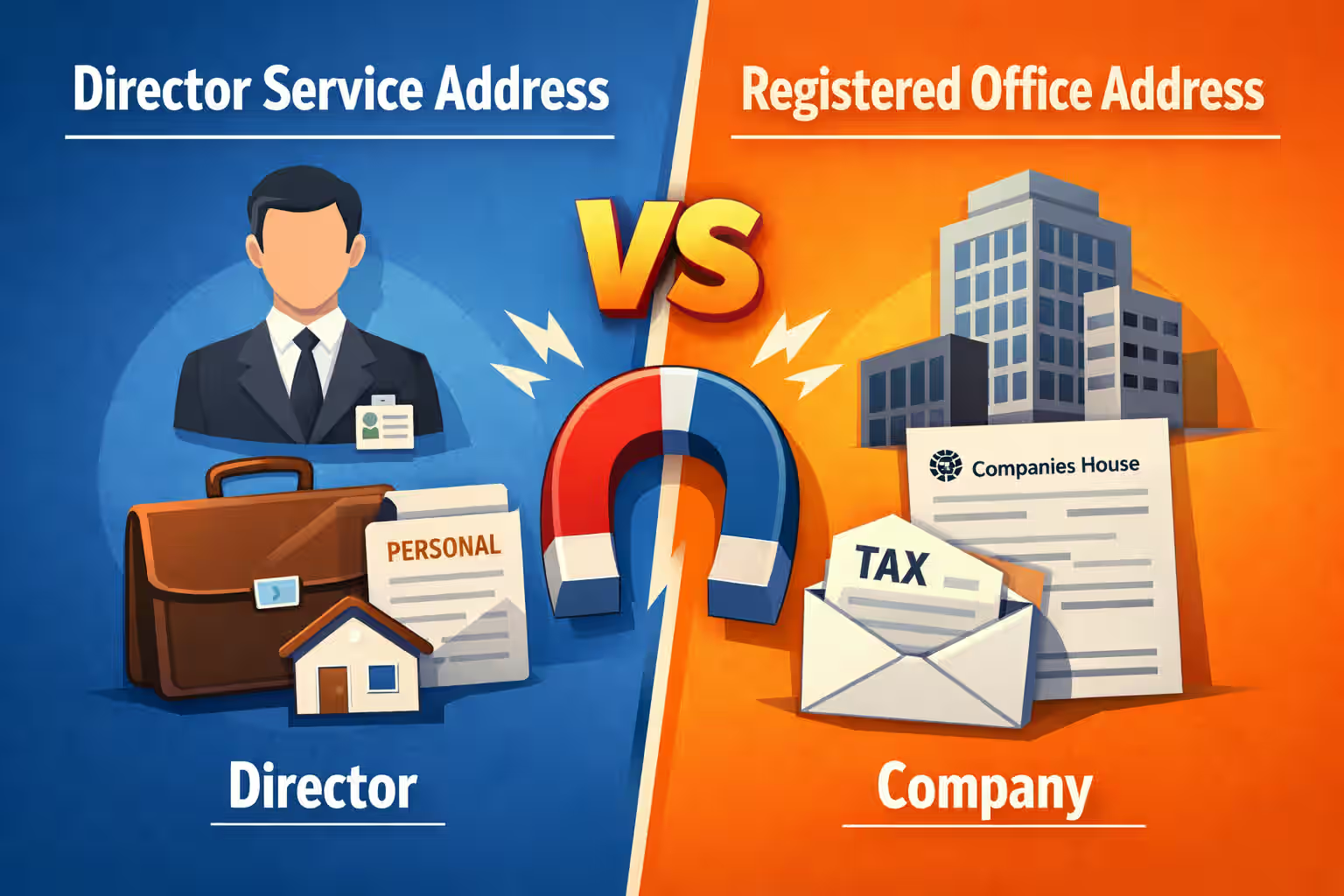
8) Registered Office vs Trading Address
Many founders confuse these.
Registered Office
Used for:
- Companies House
- HMRC correspondence
- Official company records
This may be a virtual office.
Trading Address
The place where business activity actually occurs.
This could be:
- A home office
- Coworking space
- Physical office
- Remote setup
- International location
These addresses do not always need to be the same.
9) Common Misconceptions
Myth: HMRC dislikes virtual offices
False.
Thousands of legitimate UK businesses use virtual offices.
Myth: HMRC will reject a company because of a virtual office
False.
Virtual offices are commonly used for registered office services.
Myth: A virtual office makes a company invisible
False.
HMRC still has access to company records and tax information.
Myth: A virtual office removes compliance obligations
False.
Directors remain responsible for:
- Tax filings
- Annual filings
- Company records
- Compliance obligations
10) What Should Founders Look For?
If HMRC correspondence is important to your business, choose a provider that offers:
Reliable Mail Handling
Mail should be processed quickly.
Digital Access
You should be able to access letters remotely.
Compliance-Friendly Setup
The address should be suitable for official correspondence.
Privacy Support
Many founders also use:
👉 Director Service Address London
to protect their residential address.
11) Who Commonly Uses Virtual Offices?
Virtual offices are popular with:
- Consultants
- Agencies
- SaaS founders
- Amazon sellers
- Ecommerce brands
- Recruitment businesses
- Non-UK founders
- Software companies
Many operate entirely online and have no need for permanent office space.
Related Guides
👉 Can You Use a Virtual Office for HMRC?
👉 Can I Use a Virtual Office for Companies House?
👉 Do I Need a London Address for a UK Ltd Company?
👉 Virtual Office vs Registered Office Explained
Mini FAQ
Can HMRC send mail to a virtual office?
Yes.
Many virtual offices are specifically used to receive HMRC correspondence.
Can HMRC visit a virtual office?
Potentially yes, because it is a real address. However, a virtual office is usually a mail handling location rather than the place where business operations occur.
Does a virtual office hide my company from HMRC?
No.
HMRC still has access to company and tax records.
Are virtual offices legal?
Yes.
Thousands of UK companies use virtual office services.
Can non-UK residents use virtual offices?
Yes.
Many international founders use virtual offices when running UK companies.
Final Takeaway
So:
Can HMRC visit a virtual office?
Potentially yes.
But that is not really the important question.
The real purpose of a virtual office is to:
- Receive official mail
- Protect privacy
- Create a professional company presence
- Support remote business operations
Using a virtual office does not remove your obligations to HMRC.
It simply provides a more flexible and professional way to manage company correspondence.
🚀 Build a professional UK company presence
Need a London business address?
✔ Registered Office Address
✔ Director Service Address
✔ Digital Mail Handling
✔ AI Mail Summaries
✔ Remote Founder Friendly
Explore:
👉 Registered Office Address London
👉 Director Service Address London
Disclaimer: This article is for general information only and does not constitute legal, tax, or compliance advice.