🏢 Many founders assume a virtual office and a registered office are the same thing.
They are related, but they are not identical.
Overview
Need a London address for your company?
BetaOffice provides a London registered office address, director service address, and AI-powered digital mail handling.
One of the most common sources of confusion for UK company directors is the difference between:
- Virtual Office
- Registered Office
People often use the terms interchangeably.
However, they serve different purposes.
Understanding the difference helps founders:
- Stay compliant
- Protect privacy
- Avoid unnecessary costs
- Choose the right business address setup
This guide explains:
- What a registered office is
- What a virtual office is
- How they work together
- Which founders need each service
- Common mistakes to avoid
Let's begin.
1) What Is a Registered Office?
A registered office address is the official legal address of a UK company.
Every UK limited company must have one.
The address is used for:
- Companies House correspondence
- HMRC correspondence
- Court notices
- Official government communications
- Statutory company mail
The registered office appears publicly on Companies House.
Official guidance:
https://www.gov.uk/limited-company-formation/company-address
2) What Is a Virtual Office?
A virtual office is a business address service.
Depending on the provider, it may include:
- Registered office address
- Business address
- Director service address
- Mail scanning
- Mail forwarding
- Digital dashboard access
- Team management features
A virtual office is usually designed for businesses that do not need a physical office lease.
Many modern companies operate remotely and use virtual office services instead.
3) The Simple Difference
Think of it like this:
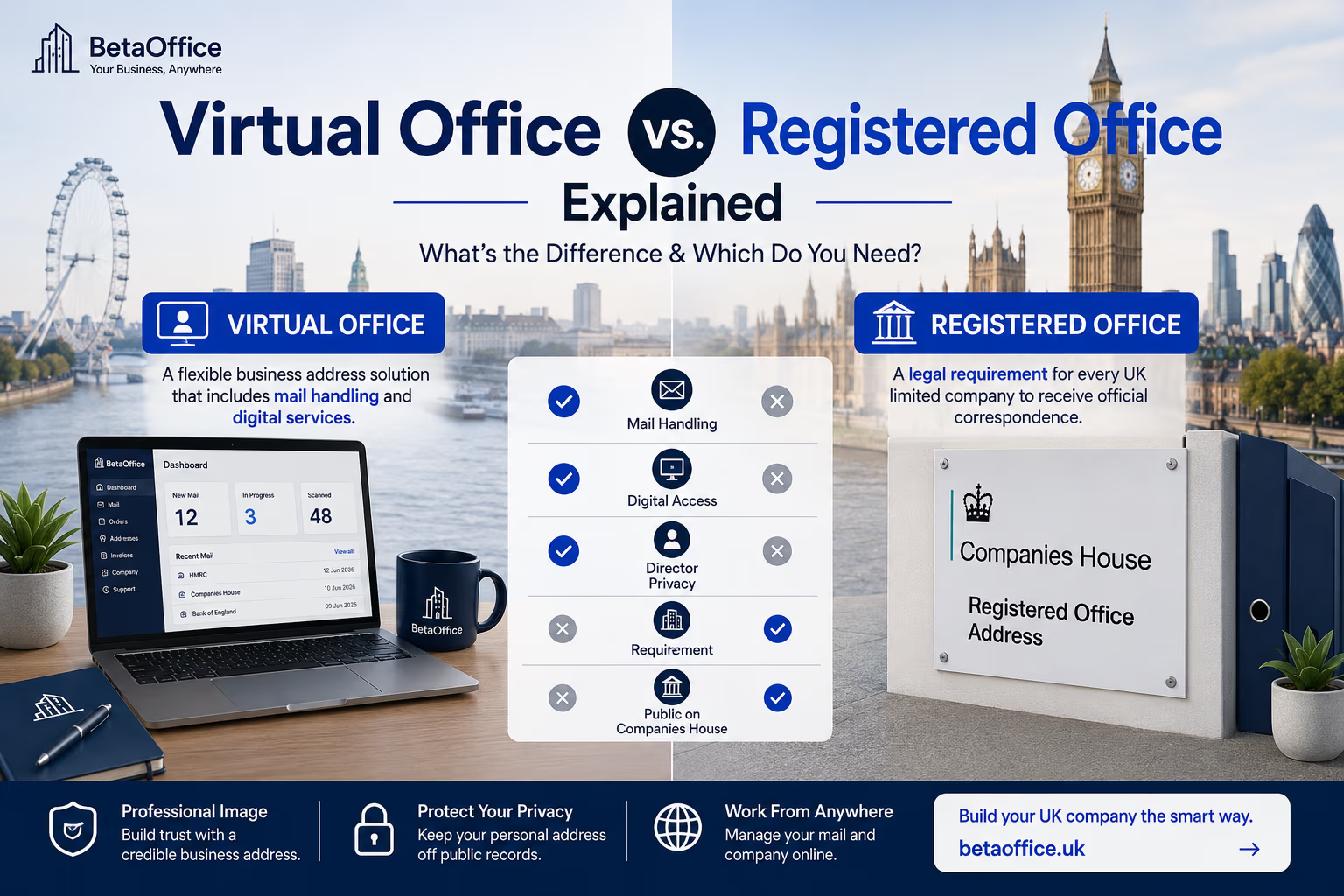
Registered Office
A legal requirement.
Every UK limited company must have one.
Virtual Office
A service package.
May include a registered office plus additional business services.
In simple terms:
Every company needs a registered office.
Not every company needs a virtual office.
But many founders choose one because it makes managing the company easier.
4) What Does a Registered Office Do?
A registered office allows your company to:
- Receive official correspondence
- Comply with Companies House requirements
- Maintain a public company address
- Receive HMRC communications
The registered office is primarily about compliance.
It is not designed to be a complete business operations solution.
5) What Does a Virtual Office Do?
A virtual office focuses on day-to-day business needs.
Common features include:
Business Address
A professional address for your company.
Mail Handling
Receiving and processing correspondence.
Digital Mail Scanning
Viewing letters online.
Mail Forwarding
Forwarding physical mail when needed.
Director Privacy
Keeping residential addresses off public records where appropriate.
Team Access
Some modern platforms allow:
- Admin users
- Read-only users
- Read & write users
to access business correspondence.
Billing & Self-Service Management
Modern virtual office platforms may allow founders to:
- Download invoices
- Manage subscriptions
- Update payment cards
- Manage company details
without contacting support.
6) Can a Virtual Office Include a Registered Office?
Yes.
In fact, this is one of the most common setups.
Many founders purchase a virtual office package that includes:
- Registered Office Address
- Director Service Address
- Digital Mail Handling
This creates a single, consistent company address setup.
7) Why Founders Choose Virtual Offices
Privacy
Many founders do not want their home address publicly visible.
Professional Image
A London address often looks more professional than a residential address.
Remote Work
Many businesses operate entirely online.
International Founders
Non-UK residents often need a UK business address without relocating.
Mail Access
Important correspondence can be reviewed from anywhere.
8) Registered Office vs Trading Address
Another common source of confusion.
Registered Office
Official legal company address.
Used for:
- Companies House
- HMRC
- Statutory correspondence
Trading Address
The location where business activities actually take place.
This may be:
- Home office
- Coworking space
- Client site
- Overseas location
- Remote setup
They do not have to be the same address.
9) Which One Do You Need?
Sole Trader
Often neither is required.
You may simply use your normal business correspondence address.
Limited Company
You must have:
✅ Registered Office
Many founders additionally choose:
✅ Virtual Office
because it provides privacy and mail management benefits.
10) Common Founder Scenarios
SaaS Founder
Typical setup:
- Registered Office
- Virtual Office
- Director Service Address
Consultant
Typical setup:
- Registered Office
- Director Service Address
Ecommerce Brand
Typical setup:
- Registered Office
- Virtual Office
- Mail Handling
Non-UK Resident
Typical setup:
- Registered Office
- Director Service Address
- Digital Mail Handling
11) Common Mistakes
Assuming They Are Identical
They are not.
A registered office is a legal requirement.
A virtual office is a service.
Using a Home Address Without Thinking
Remember:
Your registered office address is public.
Choosing Only on Price
The cheapest option is not always the best.
Mail handling quality matters.
Ignoring Mail Processing
Missing HMRC or Companies House letters can create compliance problems.
Related Guides
👉 Can I Use a Virtual Office for Companies House?
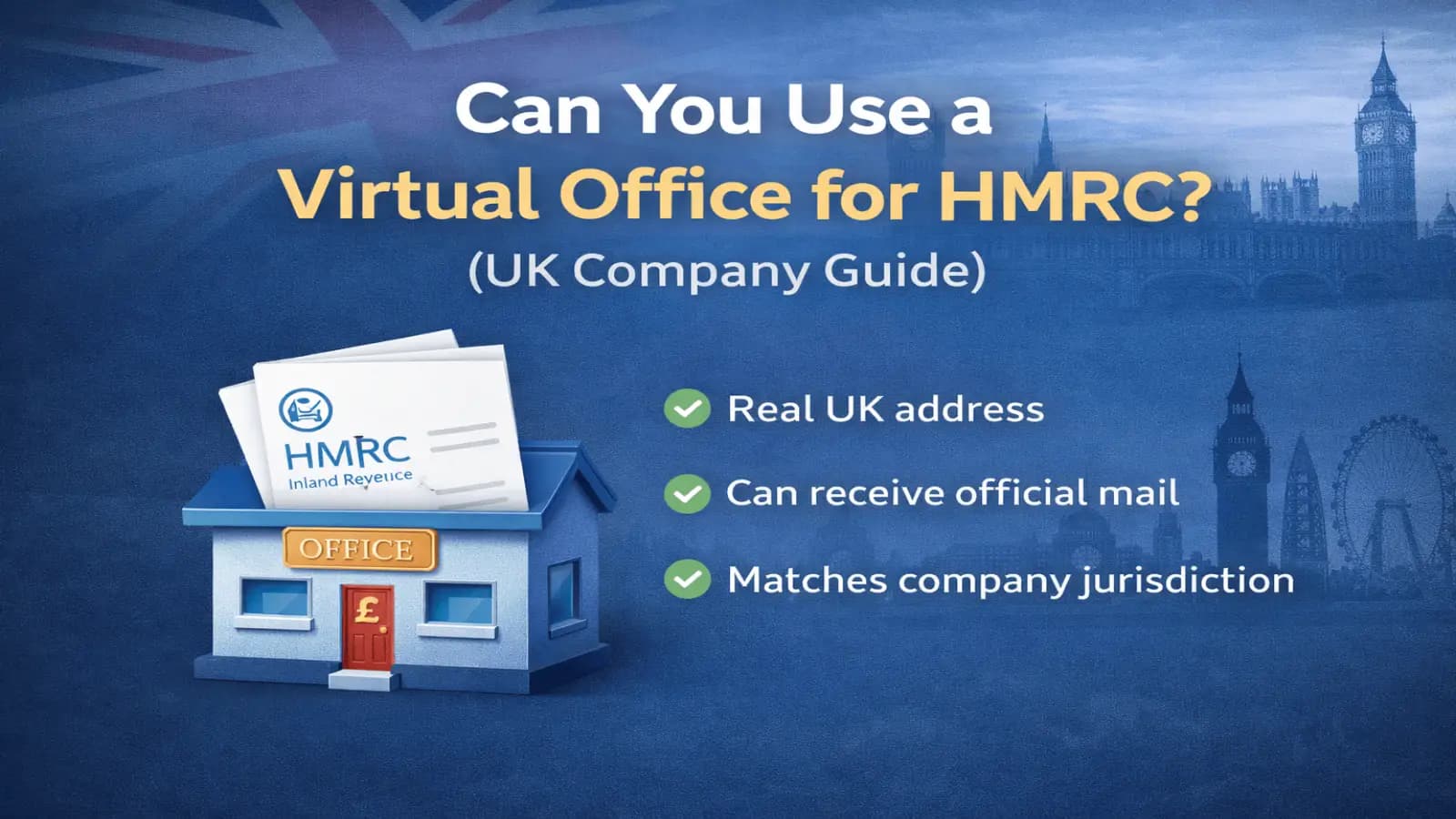
👉 Can You Use a Virtual Office for HMRC?
👉 Can HMRC Visit a Virtual Office?
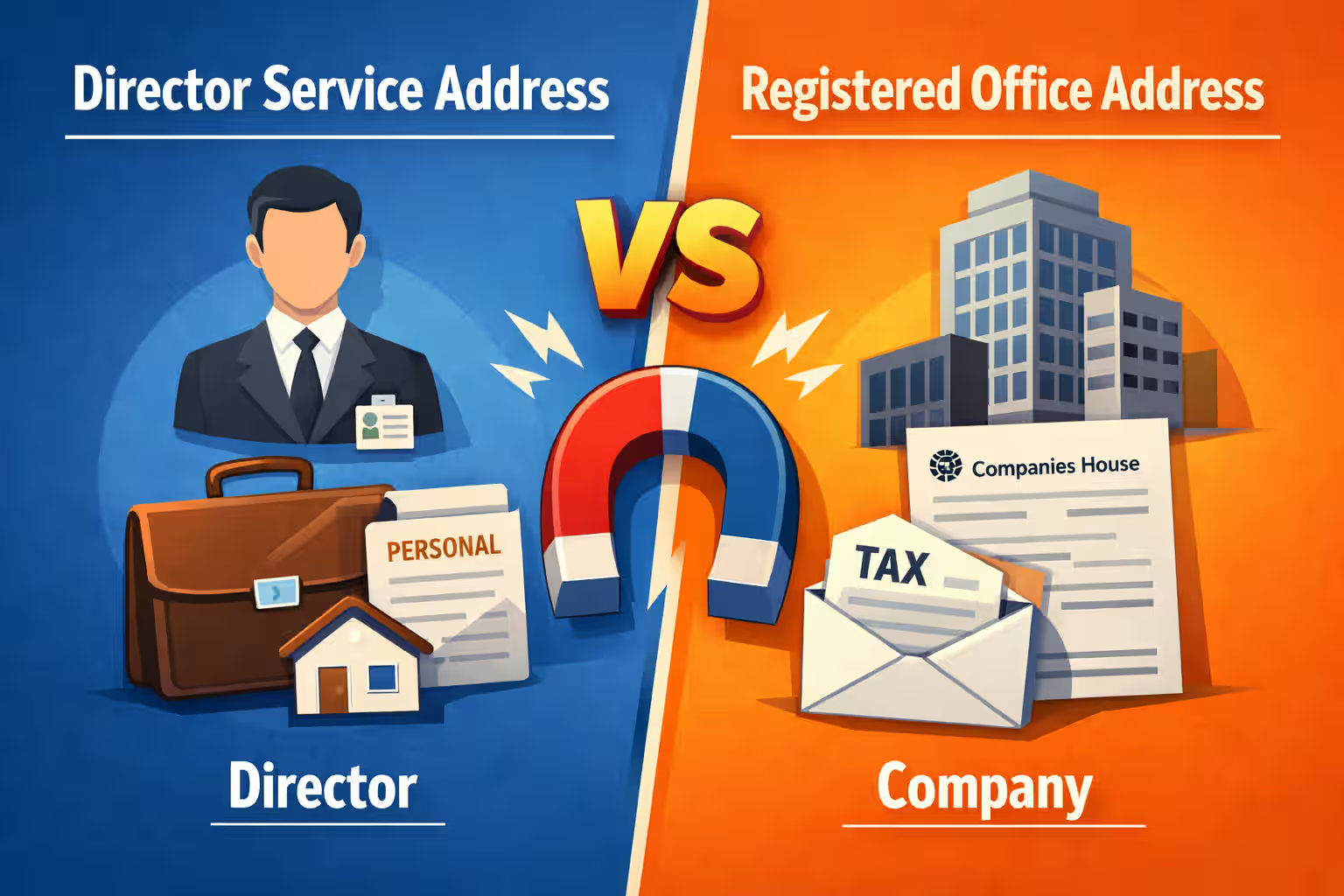
👉 Director Service Address vs Registered Office Address
👉 Do I Need a London Address for a UK Ltd Company?
Mini FAQ
Is a registered office legally required?
Yes.
Every UK limited company must maintain a registered office address.
Is a virtual office legally required?
No.
It is an optional business service.
Can a virtual office include a registered office?
Yes.
Many providers offer both together.
Can I use my home address as a registered office?
Yes, but it becomes publicly visible.
Is a virtual office better than a registered office?
They serve different purposes.
Most founders compare a virtual office package with using a basic registered office address only.
Final Takeaway
The easiest way to think about it is:
Registered Office
Required.
Used for legal and official correspondence.
Virtual Office
Optional.
Used for business operations, privacy, mail handling, and professional presence.
Many modern founders choose a setup that combines:
- Registered Office
- Director Service Address
- Digital Mail Handling
into a single service.
That creates a cleaner, more professional company presence while remaining fully remote.
🚀 Build a professional UK company presence
Need a London business address?
✔ Registered Office Address
✔ Director Service Address
✔ Digital Mail Handling
✔ AI Mail Summaries
✔ Remote Founder Friendly
Explore:
👉 Registered Office Address London
👉 Director Service Address London
Disclaimer: This article is for general information only and does not constitute legal, tax, or compliance advice.